How LEIBINGER Inks and CIJ Technology Help Manufacturers Prepare for the Next Generation of Product Traceability
Executive Summary
For decades, manufacturers relied on simple date codes, lot numbers and linear barcodes to identify products. Today, a major shift is underway. Retailers, brand owners and regulatory agencies are increasingly moving toward 2D codes such as QR codes and GS1 Digital Link codes that can carry significantly more information in the same space.
The challenge is no longer simply printing a code.
The challenge is printing a code that remains readable throughout the entire supply chain.
As manufacturers prepare for the GS1 Sunrise 2027 initiative, print quality, ink selection and coding technology have become more important than ever. A poorly printed 2D code can disrupt traceability, create compliance issues and lead to costly product recalls.
This is where LEIBINGER continuous inkjet technology and genuine LEIBINGER inks play a critical role.
The Rise of 2D Codes
Unlike traditional barcodes, modern 2D codes can contain:
- Batch information
- Lot numbers
- Expiration dates
- Production data
- Serial numbers
- Traceability records
- Consumer-facing web links
One code can serve manufacturers, distributors, retailers and consumers simultaneously.
As industries move toward greater transparency and supply chain visibility, 2D codes are quickly becoming the new standard.
Why Print Quality Matters More Than Ever
A traditional date code can often remain readable even when print quality is less than perfect.
A QR code cannot.
Small defects such as:
- Ink spread
- Poor contrast
- Missing pixels
- Inconsistent droplet formation
- Substrate adhesion issues
can prevent scanners from reading the code entirely.
For manufacturers, this can mean rejected products, rework, recalls and compliance risks.
The Ink Is Often the Difference
Many coding issues attributed to printers actually originate with the ink.
The wrong ink can lead to:
- Poor adhesion
- Excessive spread
- Reduced contrast
- Slow drying times
- Scanner failures
LEIBINGER develops inks specifically designed to maintain stable droplet formation and consistent code quality across a wide variety of production environments.
When paired with LEIBINGER’s automatic nozzle sealing technology, genuine LEIBINGER inks help ensure codes remain sharp and readable from the first product to the last.
Why Genuine LEIBINGER Inks Matter
Manufacturers often focus on printer specifications while overlooking consumables.
However, genuine LEIBINGER inks are engineered to work with:
- Sealtronic nozzle sealing systems
- High speed production lines
- Barcode and QR code applications
- Food and beverage packaging
- Pharmaceutical traceability requirements
- Industrial manufacturing environments
The result is greater consistency, improved uptime and more reliable code readability.
Questions and Answers
What is the GS1 Sunrise 2027 initiative?
GS1 Sunrise 2027 is a global initiative encouraging retailers and manufacturers to transition from traditional linear barcodes to next generation 2D codes capable of carrying significantly more information.
Can a standard CIJ printer print QR codes?
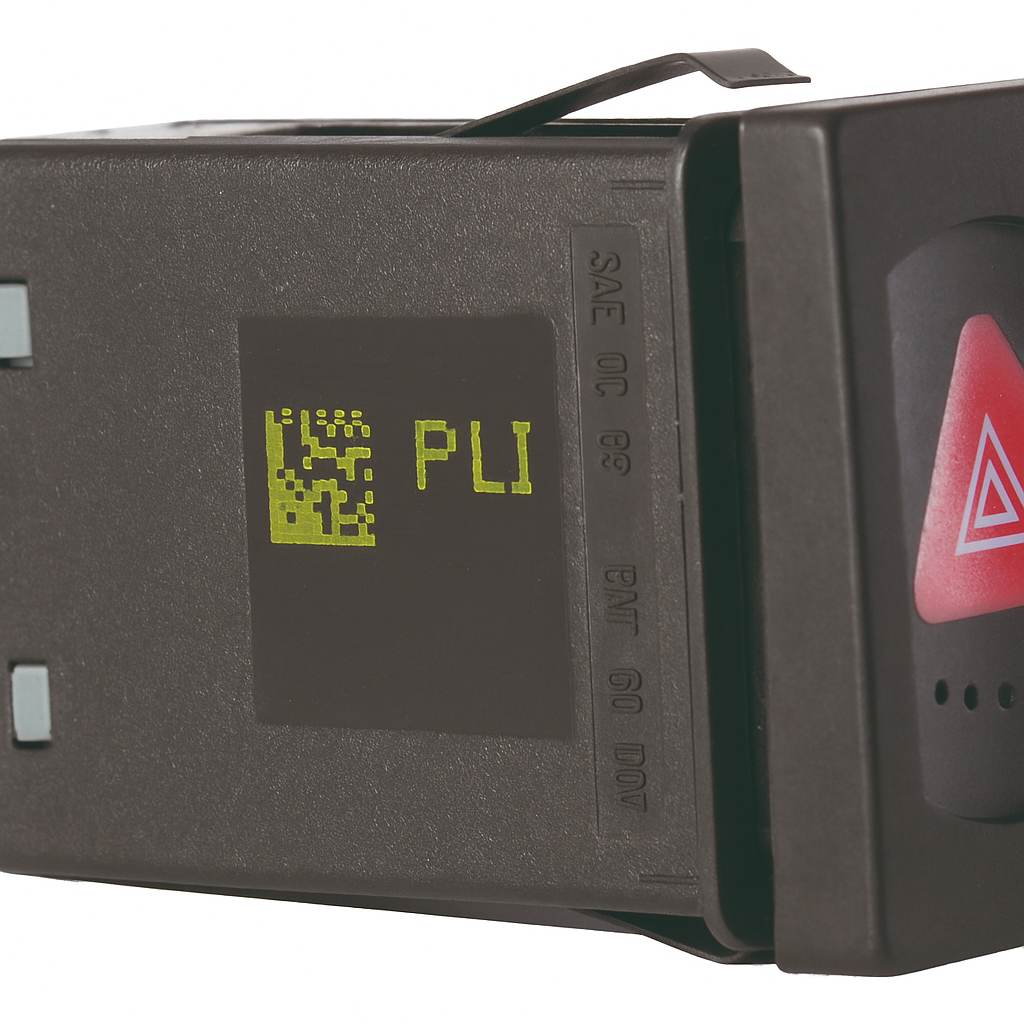
Yes. Modern LEIBINGER CIJ systems can print high quality QR codes, Data Matrix codes and other machine-readable symbols when properly configured with the correct ink and substrate combination.
Why do some QR codes fail even when they look readable?
Scanner failures are often caused by poor contrast, inconsistent ink adhesion, excessive ink spread or damaged code structures that may not be visible to the human eye.
Does ink selection affect barcode performance?
Absolutely. Ink chemistry directly impacts code sharpness, contrast, drying time and long-term durability.
Why use genuine LEIBINGER inks instead of generic alternatives?
Genuine LEIBINGER inks are engineered specifically for LEIBINGER systems, helping maintain print quality, reliability, uptime and scanner readability while reducing maintenance issues.
The Bottom Line
As manufacturers move toward greater traceability and GS1-compliant 2D coding, the quality of the printed code becomes just as important as the information it contains.
The combination of LEIBINGER CIJ technology and genuine LEIBINGER inks helps manufacturers produce reliable, readable codes that support compliance, protect brand reputation and improve supply chain visibility.
The future of coding is no longer just about putting ink on a package.
It is about making every code count.
Call to Action
Preparing for QR codes, GS1 Sunrise 2027 requirements or advanced traceability initiatives?
Pacific Labeling & Integration can help you select the right LEIBINGER printer, ink and substrate combination for your application.
Contact Pacific Labeling & Integration for a free coding assessment or visit USinks.com for genuine LEIBINGER inks and solvents backed by expert technical support.
References
GS1 US Sunrise 2027 Initiative
https://www.gs1us.org/industries-and-insights/standards/2d-barcodes/sunrise-2027
GS1 Global 2D Barcodes Program
https://www.gs1.org/standards/2d-barcodes
LEIBINGER Continuous Inkjet Technology
https://www.leibinger-group.com
Pacific Labeling & Integration
https://www.pacificlabeling.local
USinks.com Genuine LEIBINGER Inks and Solvents
https://www.usinks.com