Why LEIBINGER Ink Performance Depends on More Than Just the Ink Itself
Introduction
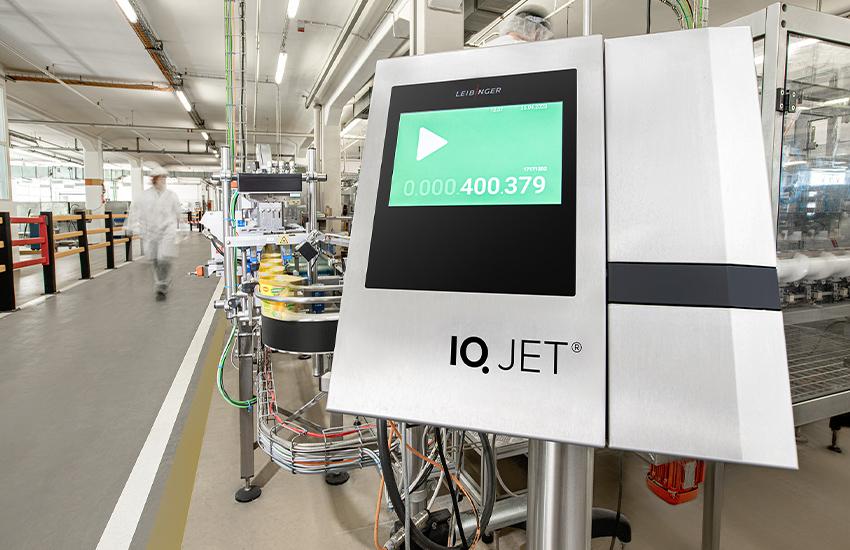
In continuous inkjet printing, manufacturers often focus on printheads, software features, automation and production speed. But one of the biggest factors affecting real world CIJ performance is something many facilities underestimate: the relationship between the ink, the environment and the production line itself.
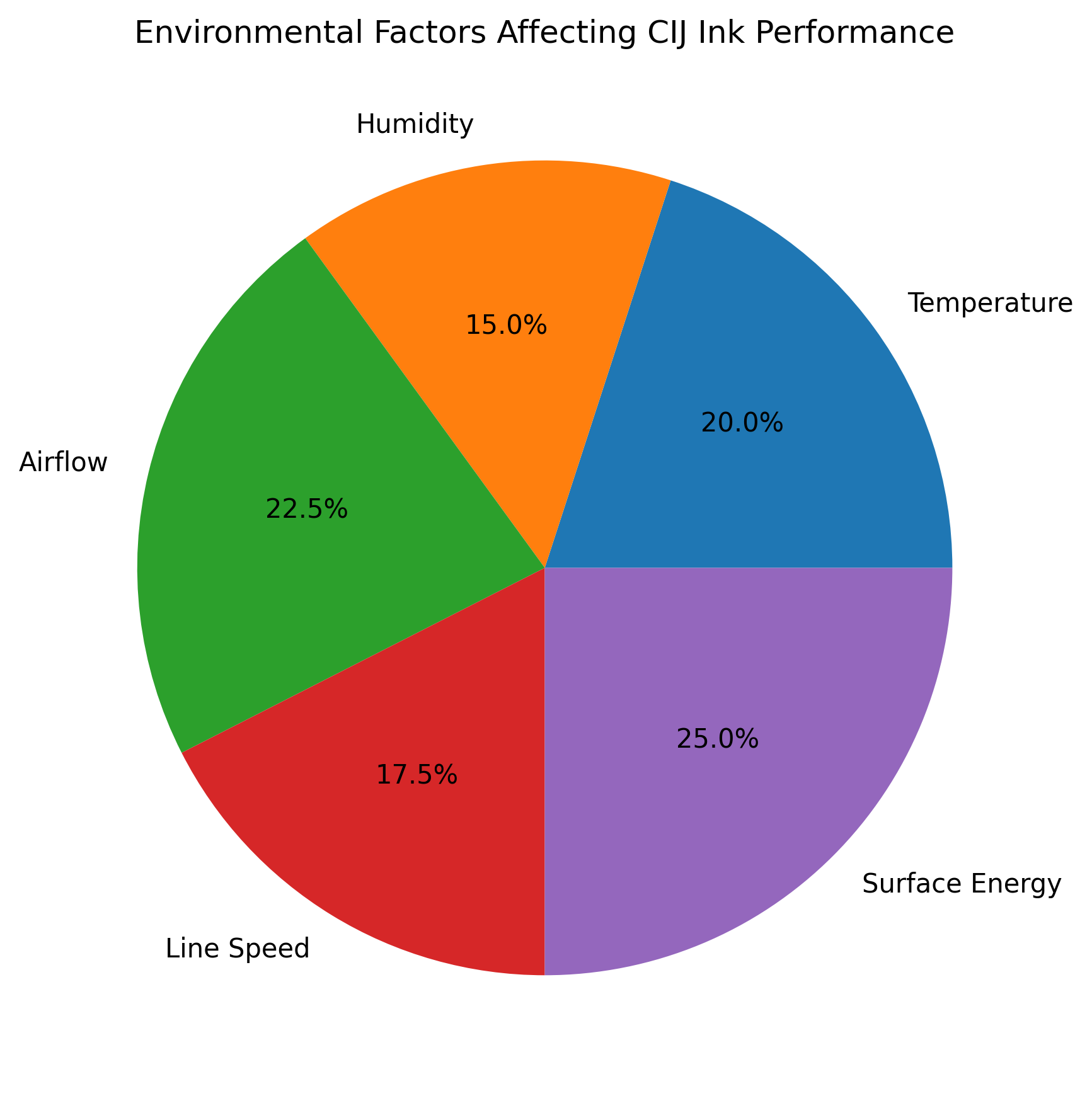
A CIJ printer does not operate in isolation. Ink performance changes depending on substrate chemistry, line speed, temperature, airflow, humidity, handling conditions and even packaging design.
That is why two facilities using the exact same printer and the exact same ink can experience completely different results.
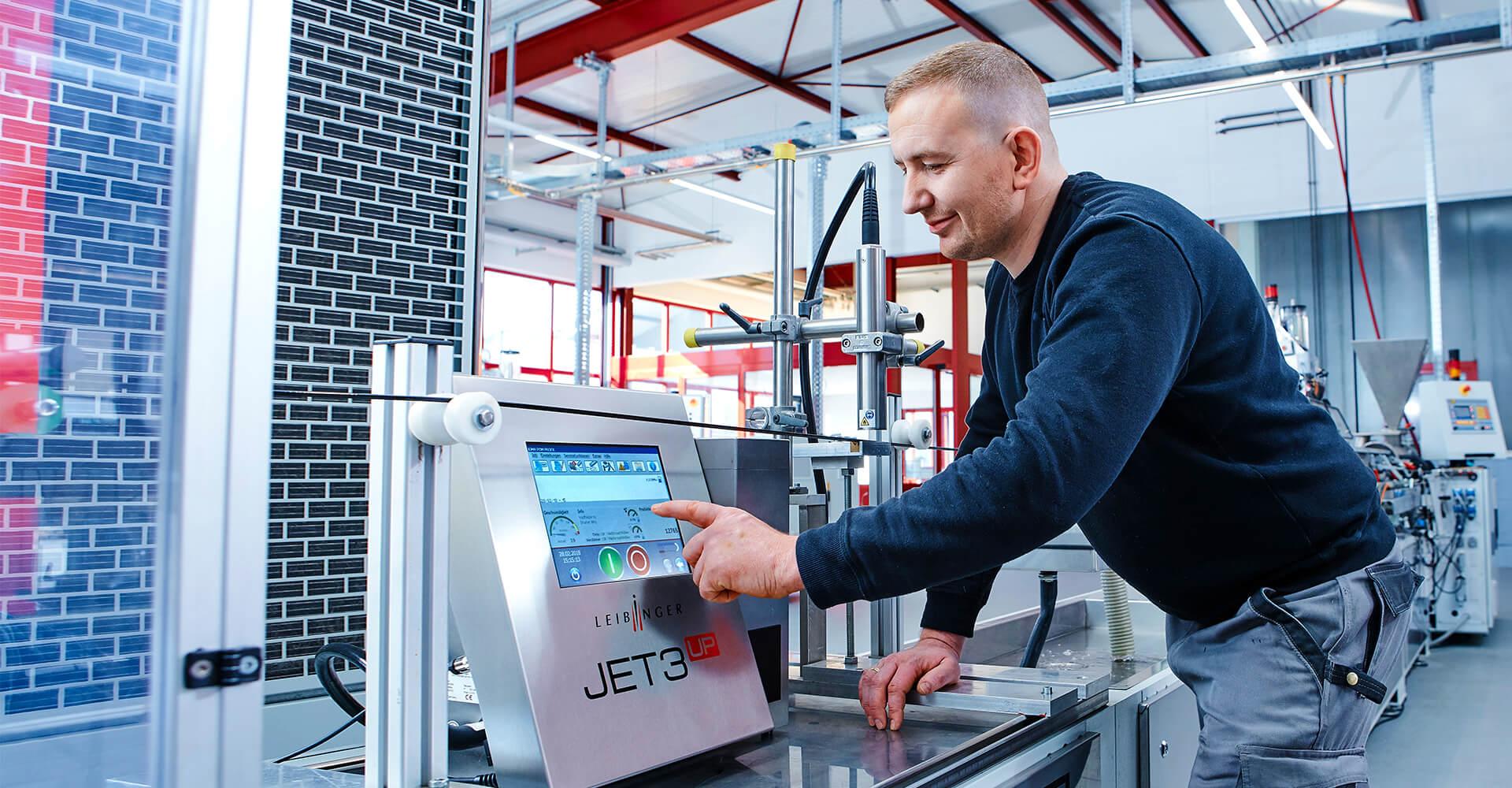
At Pacific Labeling & Integration, we work with manufacturers running LEIBINGER CIJ systems across food, beverage, industrial, pharmaceutical and packaging applications. One of the most common discoveries during troubleshooting is that the printer itself is often working correctly. The challenge is usually the interaction between the ink and the production environment.
CIJ Ink Is a Dynamic Fluid System
Unlike labels or laser systems, continuous inkjet printing relies on a constantly circulating fluid system.
The ink must maintain:
• Stable viscosity
• Consistent conductivity
• Proper droplet formation
• Controlled evaporation rates
• Reliable adhesion
• Predictable dry times
All while operating at high speed for extended production runs.
Even small environmental changes can alter how the ink behaves inside the system and on the product surface.
Why the Same Ink Performs Differently in Different Plants
Many manufacturers assume ink performance should remain identical across facilities.
In reality, several variables can dramatically affect coding results.
Airflow Around the Production Line
High airflow from:
• HVAC systems
• Cooling fans
• Conveyor systems
• Open dock doors
can accelerate solvent evaporation near the printhead.
This may lead to:
• Faster nozzle drying
• More cleaning cycles
• Reduced startup reliability
• Inconsistent droplet formation
Facilities with aggressive airflow often require closer attention to ink selection and environmental stability.
Production Line Speed Changes
As line speeds increase, the available time for:
• Ink transfer
• Wetting
• Adhesion
• Drying
becomes smaller.
An ink formulation that performs perfectly at moderate speeds may struggle at higher throughput rates.
This becomes especially important for:
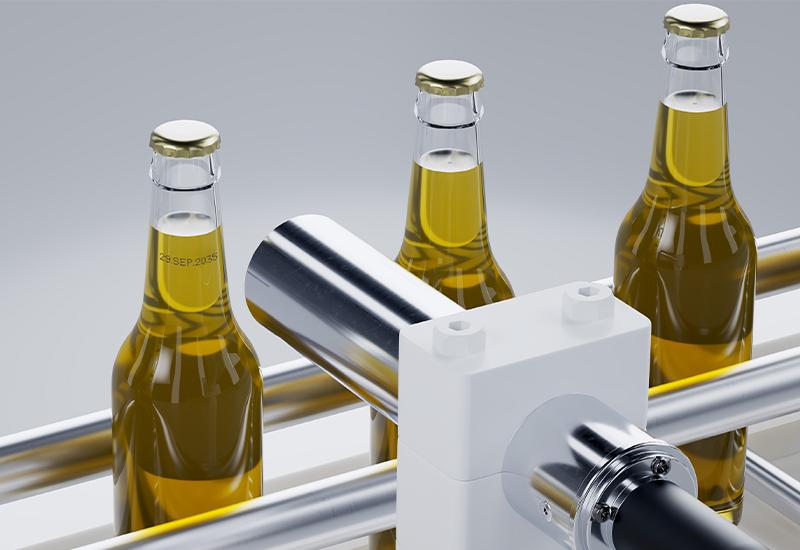
• Beverage bottling
• Flexible packaging
• Pharmaceutical lines
• Wire and cable production
• High speed food packaging
Surface Temperature Variations
A package may appear visually identical while having dramatically different surface temperatures.
Examples include:
• Refrigerated beverage bottles
• Warm shrink wrapped products
• Recently molded plastics
• Heat treated materials
Temperature directly affects:
• Dry time
• Adhesion
• Ink spread
• Condensation formation
Cold surfaces can slow solvent evaporation while hot surfaces may cause ink to dry too quickly before proper bonding occurs.
Modern Packaging Is Becoming Harder to Print On
Packaging materials continue evolving for sustainability, lightweighting and shelf appeal.
Modern substrates increasingly include:
• Low surface energy plastics
• Recycled materials
• Coated films
• Specialty finishes
• Flexible multilayer packaging
• UV resistant coatings
Many of these materials are significantly harder for standard CIJ inks to bond to consistently.
Manufacturers often assume the printer is malfunctioning when the real issue is substrate compatibility.
The Importance of Stable Ink Chemistry
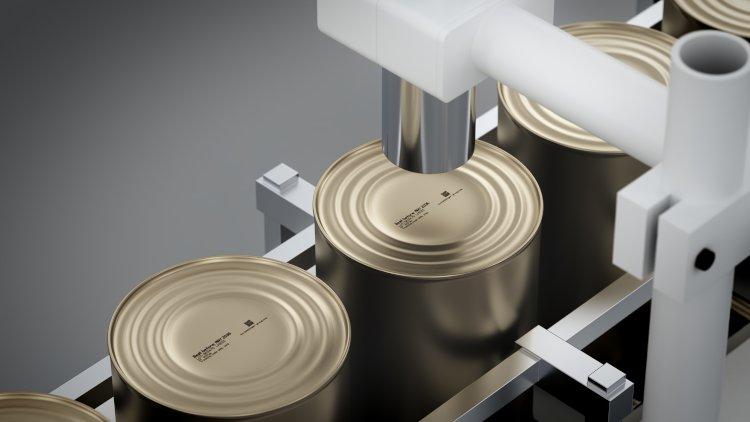
CIJ printers operate continuously, often running for long production shifts with minimal interruption.
That requires extremely stable fluid chemistry.
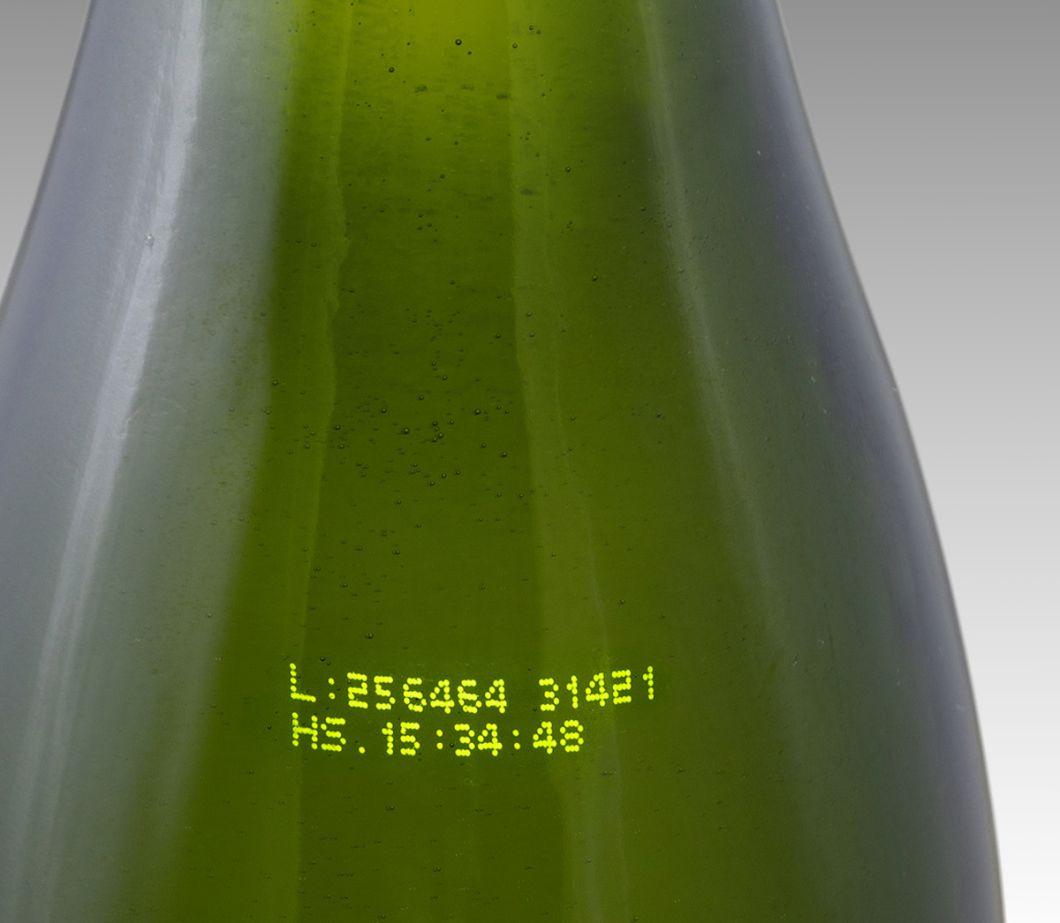
Poorly controlled or incompatible inks may create:
• Viscosity instability
• Irregular droplet charging
• Print distortion
• Weak contrast
• Poor barcode readability
• Excessive maintenance
LEIBINGER inks and solvents are engineered specifically for compatibility with LEIBINGER CIJ systems and Sealtronic nozzle sealing technology.
Why Sealtronic Changes the Equation
Traditional CIJ systems frequently experience issues related to solvent evaporation at the nozzle during shutdown periods.
LEIBINGER’s automatic Sealtronic nozzle sealing system helps reduce exposure to air when the printer stops running.
Benefits may include:
• Cleaner startups
• Less manual cleaning
• Reduced solvent loss
• Lower maintenance frequency
• Improved uptime consistency
However, even advanced printer technologies still rely heavily on proper consumable selection and application matching.
Common Signs the Ink Environment Relationship Is Failing
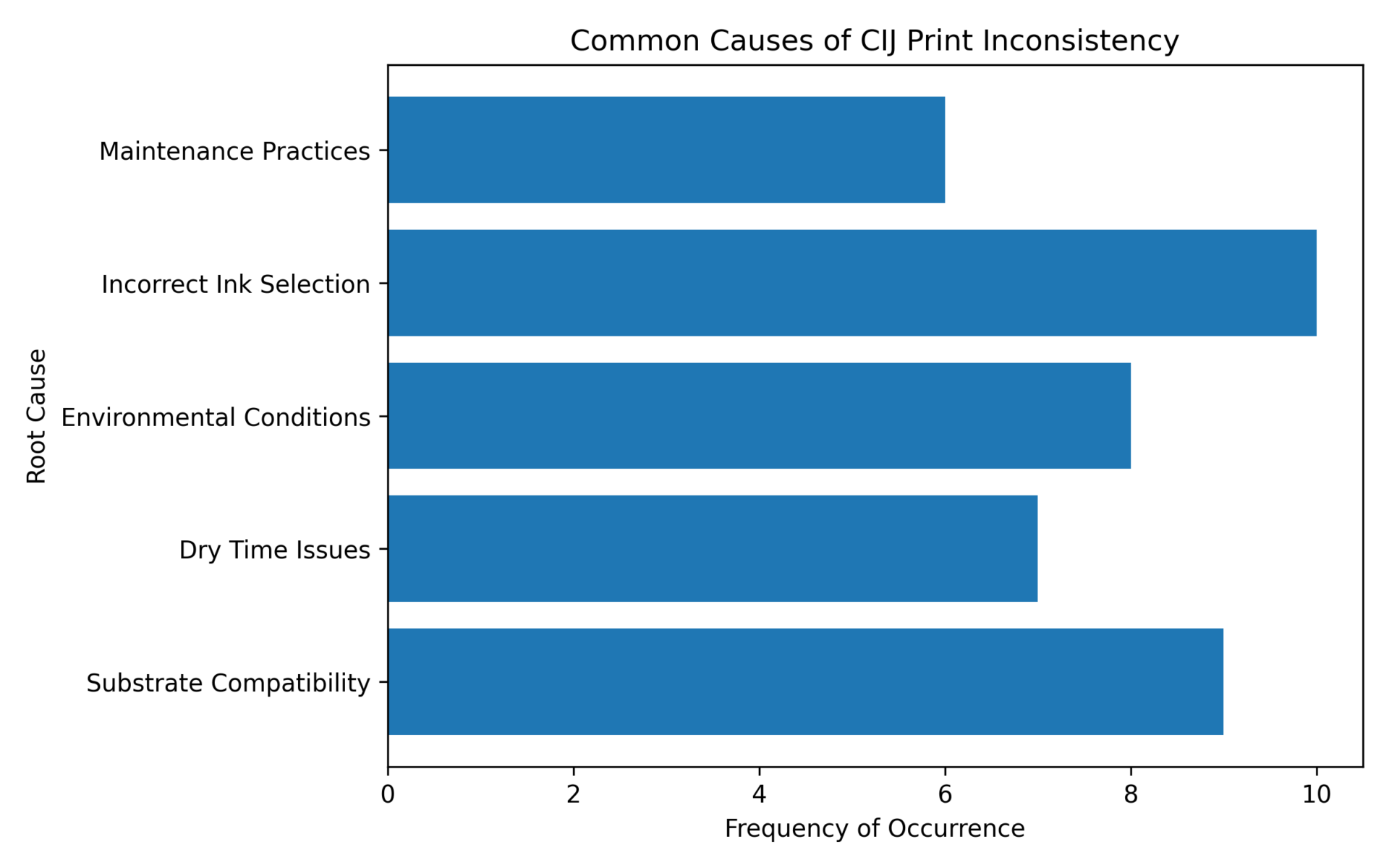
Manufacturers often notice subtle symptoms before major downtime occurs.
Warning signs may include:
• Intermittent print fading
• Codes smearing unexpectedly
• Increased nozzle cleaning
• Random barcode scan failures
• Inconsistent contrast
• More startup intervention
• Frequent viscosity adjustments
Many of these problems are environmental or application related rather than mechanical failures.
Real World Applications Where Ink Matching Matters Most
Flexible Packaging
Requires fast dry times and strong adhesion on treated films.
Beverage Packaging
Condensation resistant performance is critical.
Wire and Cable
Needs abrasion resistant codes that remain legible over time.
Pharmaceutical Packaging
Demands highly scannable and compliant traceability codes.
Corrugated Cases
Requires strong penetration and contrast on porous surfaces.
Industrial Products
May involve oils, dust, vibration and temperature extremes.
Pacific Labeling & Integration Supports LEIBINGER CIJ Applications
Pacific Labeling & Integration helps manufacturers optimize CIJ performance through:
• OEM LEIBINGER inks and solvents
• Application guidance
• Printer integration
• Production line support
• Troubleshooting assistance
• Coding and marking expertise
PLI supplies LEIBINGER consumables online for customers seeking reliable day to day production performance across demanding industrial environments.
PacificLabeling.com
https://www.pacificlabeling.local/product-category/consumables/
(833) 424-9227
Q&A
Why does CIJ print quality sometimes change seasonally?
Temperature and humidity changes can affect solvent evaporation, adhesion and dry time performance.
Can airflow really affect CIJ printing?
Yes. Excessive airflow near the printhead can accelerate solvent evaporation and influence nozzle behavior.
Why do some modern packaging materials resist ink adhesion?
Many newer materials use coatings or low surface energy plastics designed for sustainability or appearance, which can reduce ink bonding performance.
Does faster line speed require different ink characteristics?
Often yes. Higher speeds reduce drying and adhesion time windows.
Why are OEM LEIBINGER consumables important?
OEM inks and solvents are engineered specifically for compatibility with LEIBINGER printer systems and nozzle sealing technology.
Sources
LEIBINGER Official Website
https://www.leibinger-group.com/
LEIBINGER Sealtronic Technology
https://www.leibinger-group.com/en/technology/sealtronic/
LEIBINGER Inks and Solvents
https://www.leibinger-group.com/en/products/inks-and-solvents/
Pacific Labeling & Integration
https://www.pacificlabeling.local/
Continuous Inkjet Printing Overview
https://www.inkjetinc.com/continuous-inkjet-printing-guide/
Industrial Inkjet Technology Background
https://www.domino-printing.com/en-us/blog/what-is-continuous-inkjet-printing.aspx