When Coding Technology Replaces Labels in Modern Packaging
Pacific Labeling & Integration
Coding & Labeling Insights White Paper
Introduction
For decades, labels have served as the primary method for displaying information on packaged goods. Product identification, ingredient listings, barcodes, expiration dates and traceability data have traditionally been applied to packaging through pressure sensitive labels or shrink sleeves.
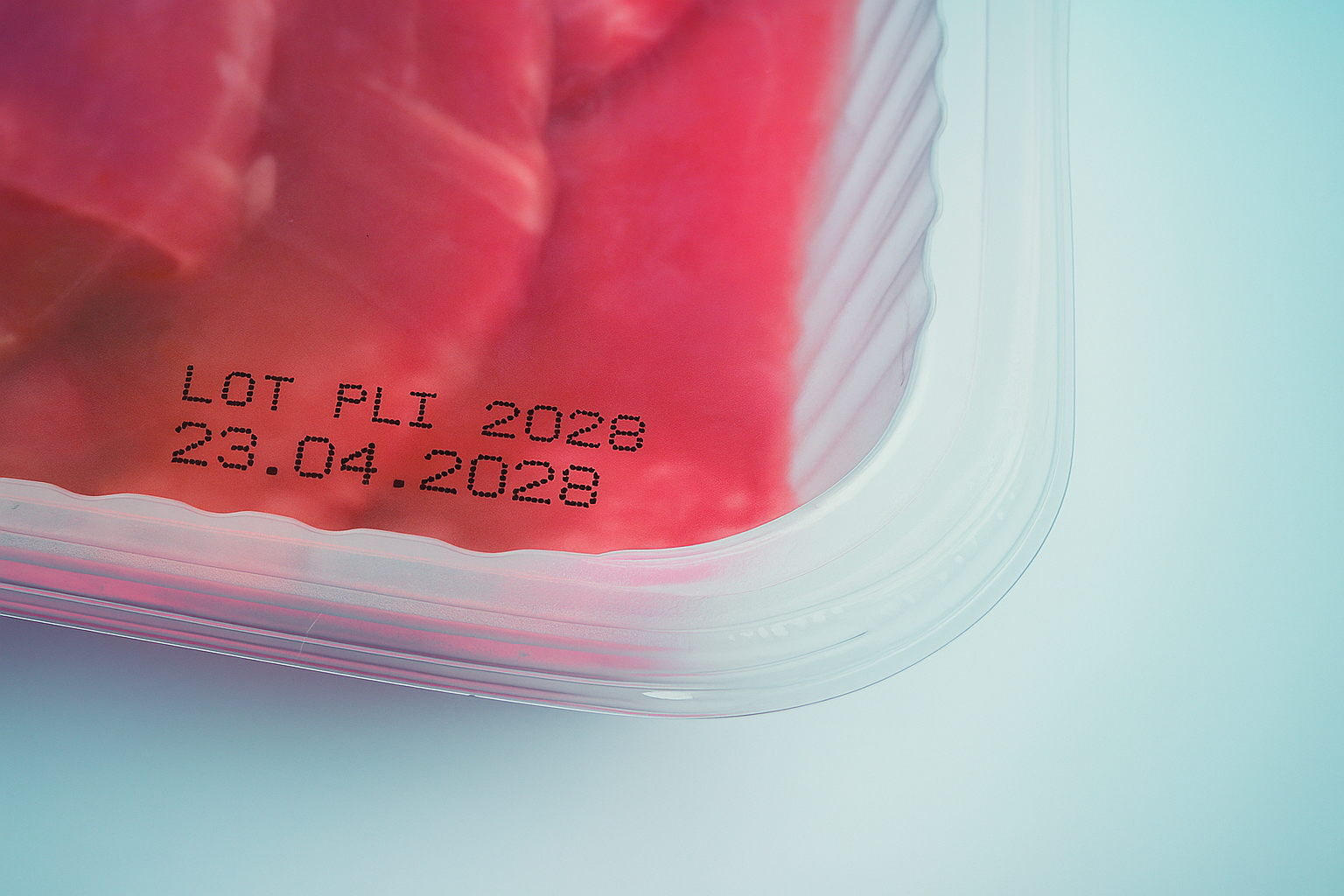
However, advances in industrial printing technology have introduced a powerful alternative. Direct coding and marking systems now allow manufacturers to print critical information directly onto packaging materials without the need for a physical label.
Continuous Inkjet (CIJ), Thermal Inkjet (TIJ), Drop on Demand (DOD) large character printing, laser marking and UV coding technologies have dramatically improved in reliability, print quality and substrate compatibility.
As a result, many manufacturers are discovering that direct printing can reduce operational costs, improve production efficiency and simplify packaging line operations.
The Traditional Role of Labels in Packaging

Labels have historically served multiple purposes within product packaging. Beyond branding and visual presentation, labels provide essential product information required for regulatory compliance and supply chain management.
Typical uses of labels include:
• Product identification • Barcodes for scanning and inventory control • Ingredient and nutritional information • Lot codes and expiration dates • Branding and marketing graphics • Regulatory compliance information
Chart: Typical Labeling Cost Components

The Rise of Direct Coding and Marking


Advances in industrial printing technology have enabled manufacturers to print product information directly onto packaging materials without requiring a separate label.
Chart: Major Industrial Coding Technologies


Applications Where Direct Printing Can Replace Labels
Corrugated Shipping Cases

Many manufacturers use pre printed labels on corrugated shipping cartons to identify products, production dates and barcodes.
Large character DOD printers and high resolution TIJ systems can print this information directly onto the case during production.
Chart: Case Coding vs Case Labels

Flexible Packaging
Flexible packaging such as snack bags, baking mix pouches and powdered ingredient bags often require production codes and product information.
Bottles and Containers
Continuous inkjet technology is widely used to print date codes, lot numbers and traceability information on bottles and containers.
Laser and UV Marking Applications
Laser and UV coding technologies provide permanent, high contrast marks without the use of ink.
CIJ vs TIJ vs DOD vs Laser vs UV Coding
Technology Selection Guide
Technology Comparison Chart

Application Selection Matrix

Operational Advantages of Direct Printing
Production Efficiency Comparison

Direct coding and marking technologies provide several advantages that can improve production efficiency.
Conclusion
Packaging technology is entering a period of rapid transformation. As manufacturers push for greater efficiency, improved traceability and reduced operational costs, traditional labeling strategies are being reevaluated across many industries.
Direct coding technologies including Continuous Inkjet, Thermal Inkjet, Drop on Demand printing, laser marking and UV coding have matured into highly reliable production tools capable of delivering clear, durable and scannable product information directly onto packaging materials.
For many applications such as corrugated case coding, flexible packaging, bottles and industrial products, these technologies provide a compelling alternative to traditional labels.
Laser and UV marking technologies further expand the possibilities by providing permanent codes without the use of ink, making them ideal for highly regulated industries where traceability and durability are critical.
Manufacturers that evaluate and implement these technologies today position themselves to reduce operational costs, simplify packaging lines and strengthen supply chain traceability.
The future of packaging identification will rely on the intelligent integration of labeling, coding and marking technologies.
Questions and Answers
Q: Can direct printing replace labels completely? In some applications yes, especially corrugated case coding and flexible packaging.
Q: Which coding technology is best for barcodes? Thermal Inkjet printers such as Norwix and Squid Ink Viper are commonly used for high resolution barcode printing.
Q: Why use laser or UV coding? Laser and UV systems provide permanent markings and eliminate ink consumables.
Pacific Labeling & Integration
Pacific Labeling & Integration provides coding, marking, labeling and packaging automation solutions for manufacturers across many industries.
Our solutions include:
• LEIBINGER Continuous Inkjet printers • Norwix Thermal Inkjet systems • Squid Ink Viper TIJ printers • Squid Ink large character case coders • Squid Ink laser and UV coding systems • NITA labeling systems • Videojet print and apply labeling systems • Packaging line integration
Contact Pacific Labeling & Integration
Pacific Labeling & Integration https://www.pacificlabeling25.local
Phone (833) 424 9227
References
Packaging Digest https://www.packagingdigest.com
PMMI Packaging Industry Association https://www.pmmi.org
GS1 Global Barcode Standards https://www.gs1.org
LEIBINGER Coding Systems https://www.leibinger-group.com
Squid Ink Industrial Printing https://www.squidink.com
Norwix Printing Solutions https://www.norwix.com
Videojet Labeling Systems https://www.videojet.com
NITA Labeling Equipment https://www.nitalabeling.com
Packaging World Magazine https://www.packworld.com