CIJ or TIJ? A Practical Guide to Industrial Coding Performance and Cost
A Technical White Paper for Pacific Labeling
Executive Summary
Manufacturers across food, beverage, wine, personal care, pharmaceutical and industrial markets rely on clear, reliable product coding to meet regulatory, traceability and operational requirements. The two leading non-contact printing technologies used for variable data are Continuous-Inkjet (CIJ) and Thermal-Inkjet (TIJ). While both methods deliver high-quality codes, they differ significantly in print performance, long-term operating cost, maintenance needs and suitability for specific substrates and production environments.
CIJ provides durable small-character printing at high speeds with strong adhesion on non-porous materials like PET, glass, metal and flexible films. It excels in harsh or wet environments and is the most cost-effective choice for multi-shift and high-throughput operations. TIJ delivers premium-resolution text and barcode quality with simple plug-and-print operation, making it ideal for coated cartons, labels and clean packaging rooms where frequent changeovers are required.
A detailed cost analysis shows CIJ has higher upfront cost but lower long-term cost per mark for continuous production. TIJ starts with a low investment but becomes more expensive in high-volume environments due to cartridge consumption. Both technologies maintain excellent uptime when used in the correct setting.
Pacific Labeling supports customers in selecting the right solution by offering proven systems from Squid Ink, LEIBINGER and Norwix. Through application testing, integration support and responsive field service, PLI ensures each manufacturer receives a printing system that aligns with their substrates, production speed and long-term budget.
Choosing the correct coding technology strengthens compliance, reduces downtime and improves packaging efficiency, providing manufacturers with a scalable foundation for future growth.
Introduction
Product identification and traceability requirements continue to expand across food, beverage, wine, pharmaceutical, personal care and industrial manufacturing. As production speeds increase and packaging materials diversify, companies must select a coding technology that balances print quality, reliability and long-term operating cost. Continuous-Inkjet printing (CIJ) and Thermal-Inkjet printing (TIJ) are the two dominant non-contact printing methods for variable data such as date codes, lot codes, batch numbers and barcodes.
This paper examines the fundamental differences between CIJ and TIJ printing with a detailed look at print engines, consumables, maintenance, ease-of-use, long-term costs and suitability for specific applications. Practical references to Squid Ink CIJ, LEIBINGER CIJ, Squid Ink TIJ and Norwix TIJ help guide businesses toward the most efficient printing solution.
1. Technology Overview
1.1 Continuous-Inkjet (CIJ)
CIJ printers operate by creating a continuous, high pressure stream of ink that is broken into precisely controlled droplets. Each droplet is electrically charged and deflected by electrostatic plates to form characters, codes or graphics on the substrate as it moves past the printhead. Droplets that are not required for the image are captured and recirculated back into the ink system, allowing CIJ to run continuously at high speeds without stopping for cartridge changes or frequent refills. This recirculating design makes CIJ especially well suited for nonstop industrial production lines.
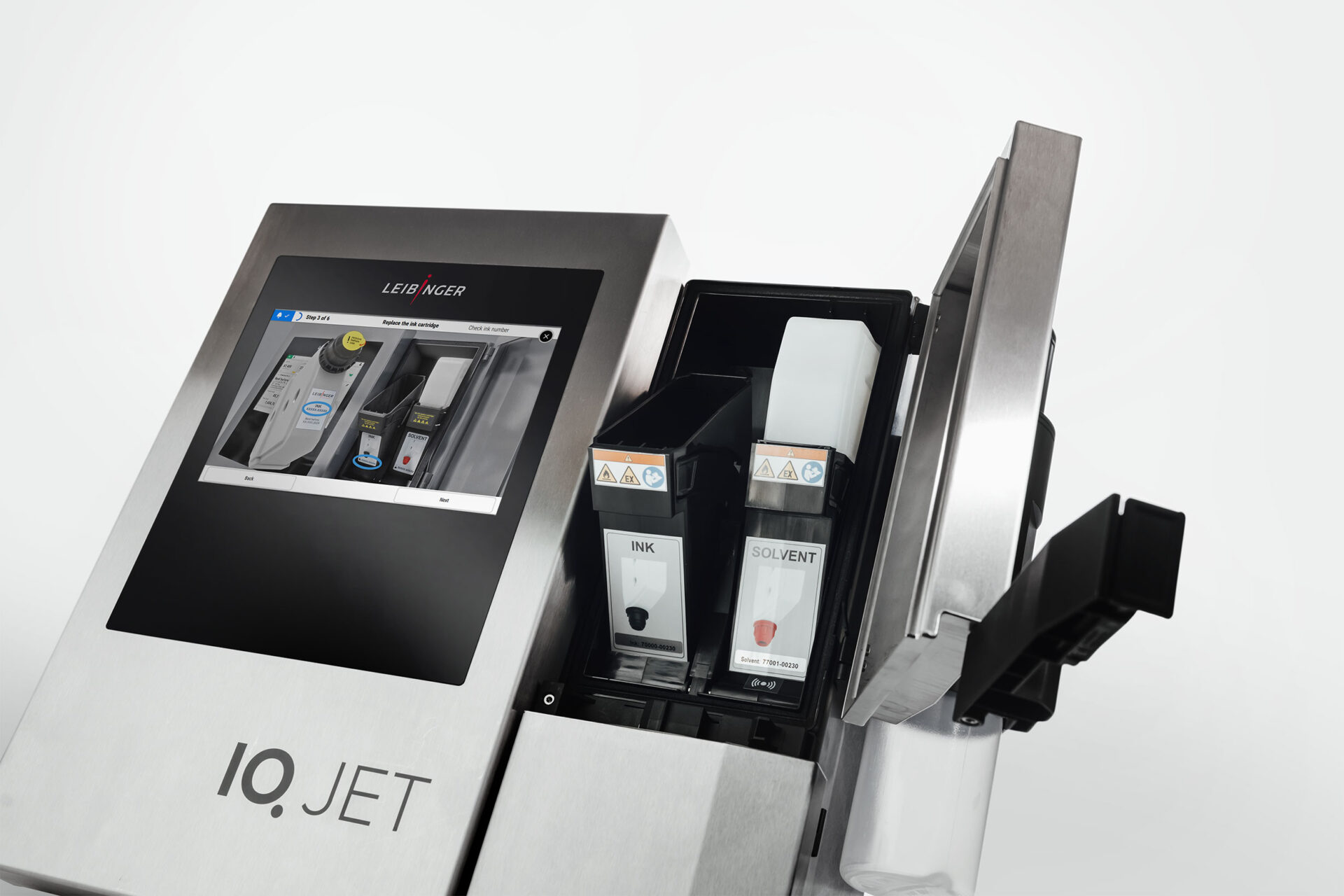
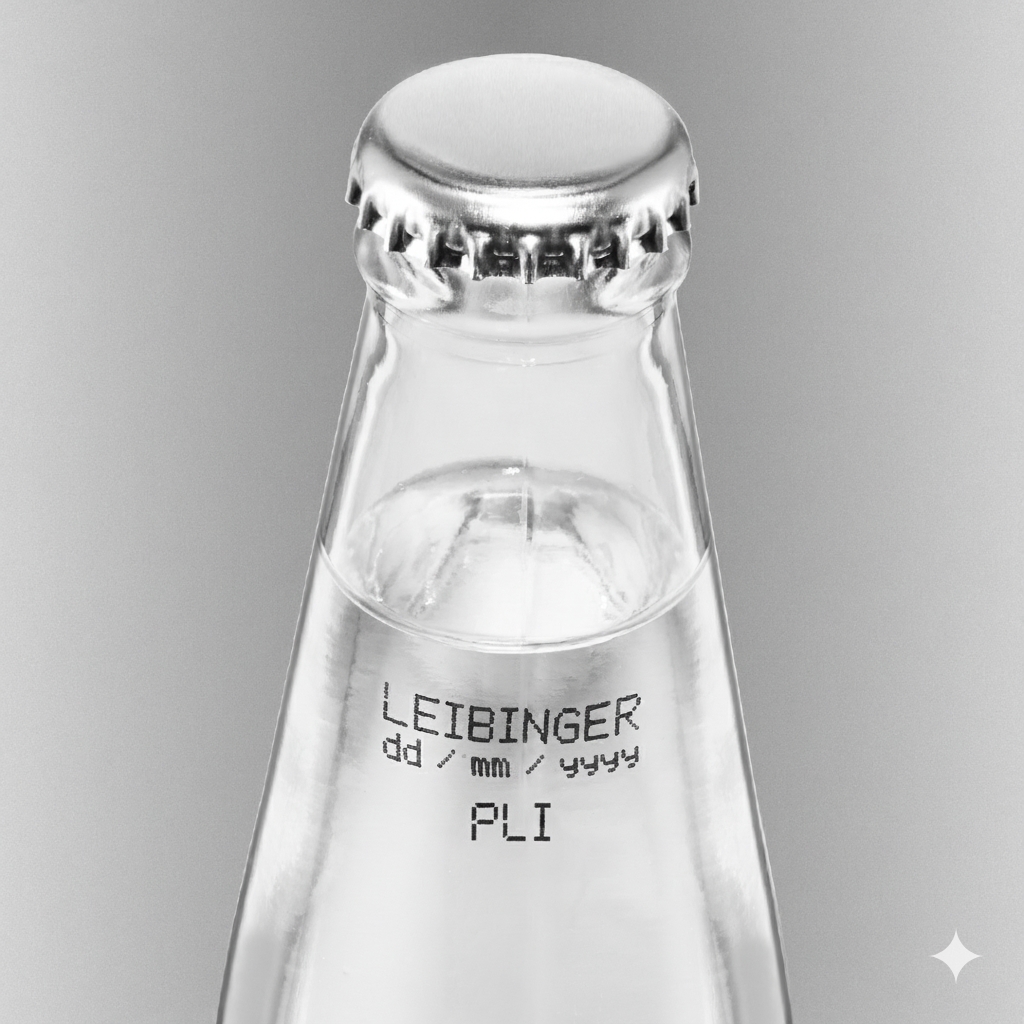
LEIBINGER CIJ systems take this process further with their closed nozzle Sealtronic technology. When the printer is not actively printing, the nozzle automatically seals against an internal reservoir, preventing air from entering the system. This design eliminates ink drying and clogging at the nozzle, allowing the printer to start and stop without manual cleaning. The result is reliable startup, reduced maintenance and consistent print quality even after extended downtime.
Squid Ink CIJ printers focus on durability and flexibility in challenging production environments. Their systems are built with rugged industrial housings and support a wide range of solvent based inks designed to adhere to difficult substrates. These inks perform well on plastics, metals and coated materials and maintain legibility in environments exposed to dust, moisture, vibration or temperature variation. For manufacturers operating in harsh conditions, Squid Ink CIJ provides dependable performance with straightforward operation and serviceability.
Together, these CIJ technologies deliver a combination of speed, durability and reliability that makes them a cornerstone solution for high volume industrial coding and marking applications.
1.2 Thermal-Inkjet (TIJ)
TIJ technology operates by using microscopic heated resistors inside the ink cartridge to rapidly vaporize a small amount of ink, forcing a precise droplet through each nozzle. This process occurs thousands of times per second, creating sharp, high resolution text, barcodes and graphics. Because the ink is self contained within the cartridge, TIJ systems do not require pumps, pressure regulation or ink recovery systems, resulting in a compact design with very few moving parts.
The cartridge based architecture makes TIJ exceptionally simple to operate. When print quality begins to degrade, the cartridge is replaced and printing resumes immediately. There is no flushing, no ink line cleaning and no startup routines, which makes TIJ ideal for short production runs, frequent message changes and operations with limited maintenance resources. This simplicity also contributes to a lower initial system cost compared to many CIJ platforms.
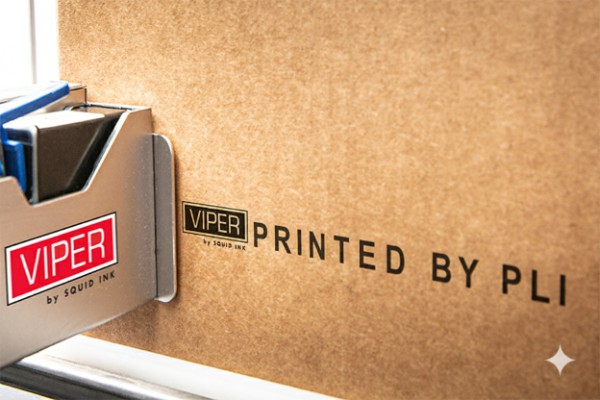
Squid Ink TIJ and Norwix TIJ systems leverage HP style cartridge technology to deliver consistent, high resolution output. These cartridges are well suited for printing on porous and semi porous substrates such as corrugated cases, paperboard, cartons and some label materials. The fine nozzle geometry produces clean edges, small characters and scannable barcodes, making TIJ a strong choice for secondary packaging and applications where visual clarity is critical.
In controlled production environments, TIJ provides an efficient balance of print quality, ease of use and operational flexibility. For manufacturers focused on clarity, fast changeovers and minimal maintenance, TIJ offers a practical and cost effective coding solution.
2. Print Quality Differences
2.1 CIJ Print Characteristics
CIJ delivers reliable small character printing typically ranging from 50 to 200 microns while maintaining legibility at very high line speeds. Because the ink stream is continuously pressurized, CIJ can print consistently even with longer throw distances, making it ideal for production lines where precise product positioning is difficult or inconsistent. This capability allows CIJ printers to maintain code quality without requiring the printhead to be extremely close to the product.
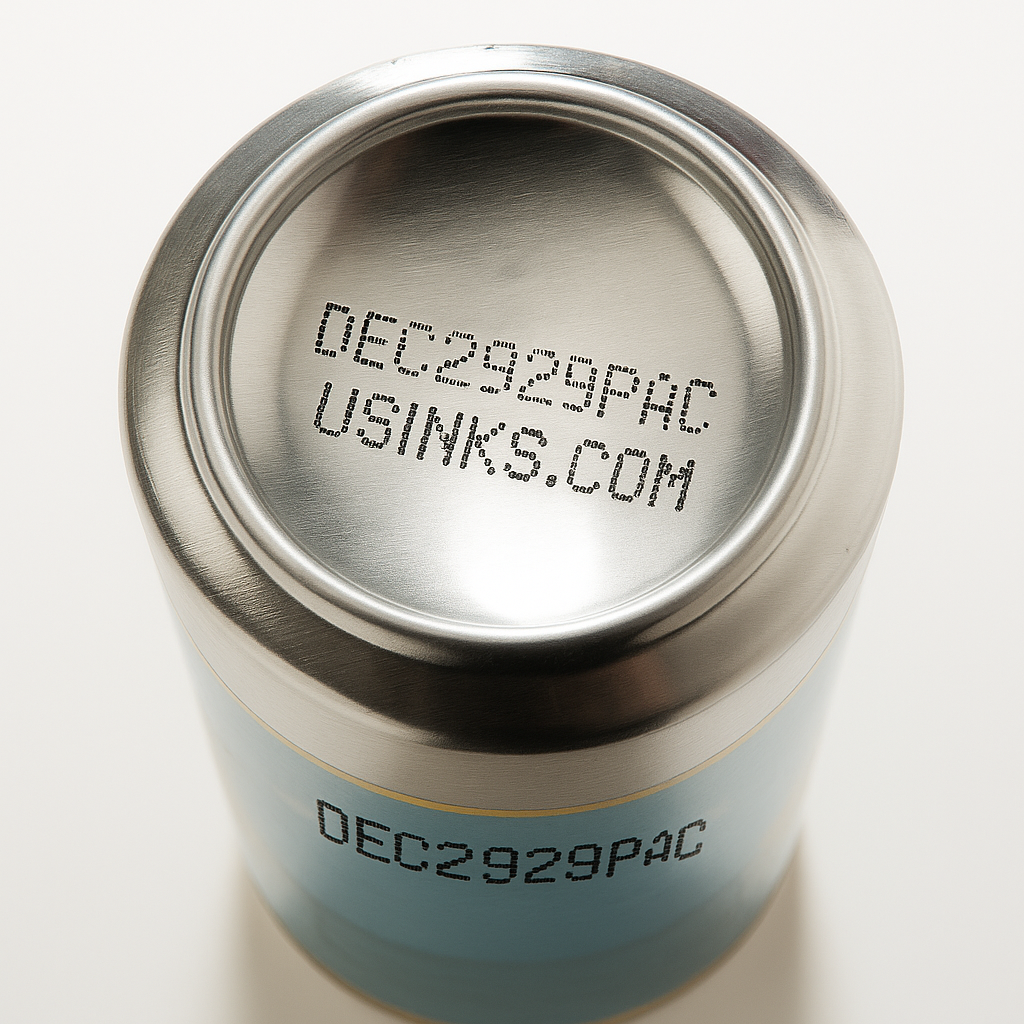
CIJ technology performs exceptionally well on curved and irregular surfaces such as bottles, cans and cylindrical containers. It handles fast moving products with ease and remains dependable in wet, dusty or vibration prone environments where other print technologies may struggle. Solvent based inks dry quickly and bond effectively, ensuring codes remain readable throughout downstream handling and distribution.
Squid Ink and LEIBINGER CIJ systems are engineered to produce durable, high contrast codes across a wide range of substrates. These include PET bottles, shrink sleeves, glass and aluminum as well as flexible films and demanding industrial materials like pipe and conduit. The result is a versatile coding solution capable of supporting both high speed consumer packaging lines and rugged industrial applications with consistent performance.
2.2 TIJ Print Characteristics
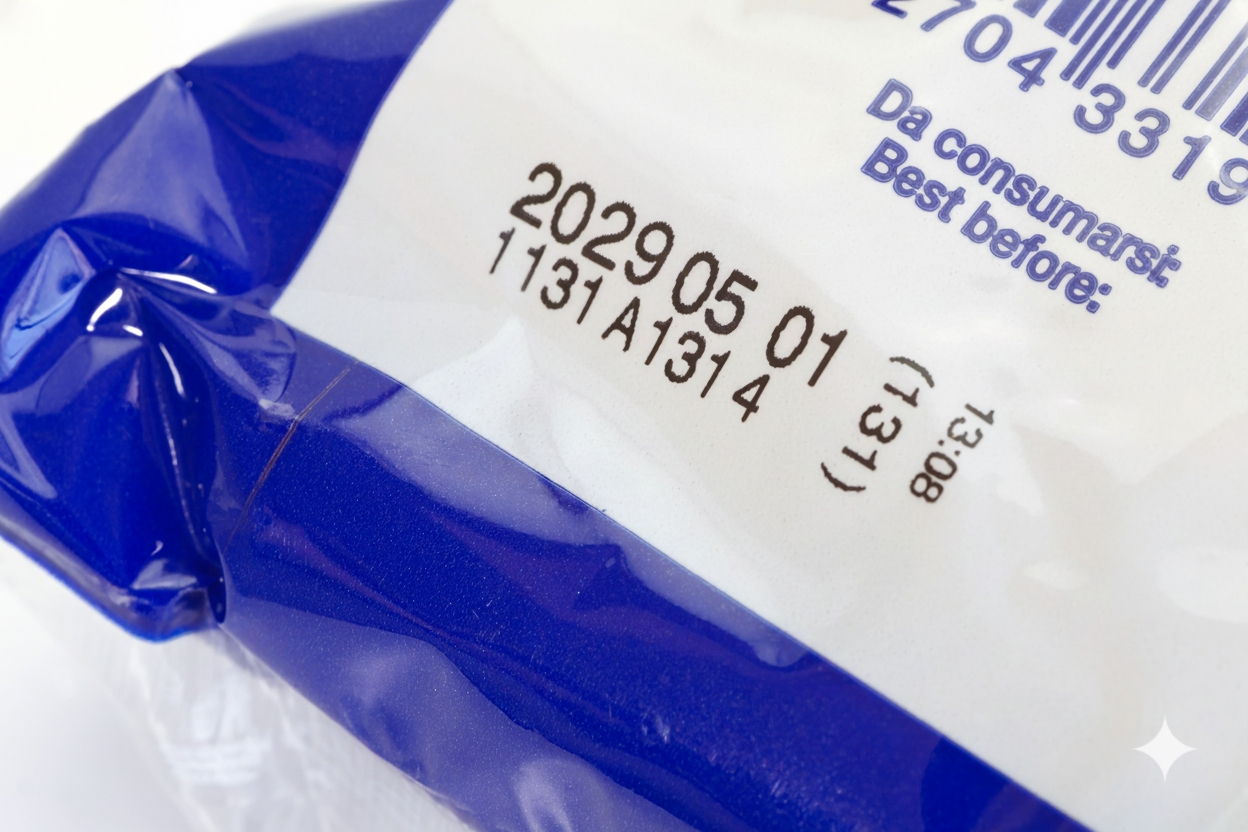
TIJ provides premium high resolution output that is well suited for detailed text, logos and machine readable barcodes. The precise droplet control produced by thermal inkjet technology results in clean edges, consistent dot placement and excellent contrast, making printed information easy to read and highly scannable. This level of clarity is especially valuable for branding elements and compliance driven codes.
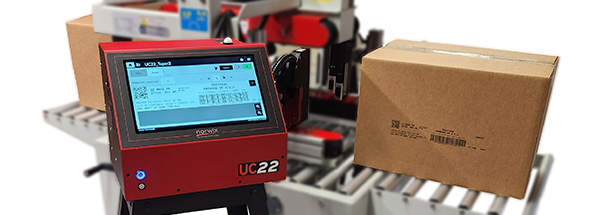
Norwix TIJ systems are designed to deliver sharp, repeatable dot placement on coated cartons and other controlled substrates. This makes them an excellent choice for secondary packaging where visual quality and barcode accuracy are critical. The uniform print quality helps ensure reliable scanning throughout the supply chain.
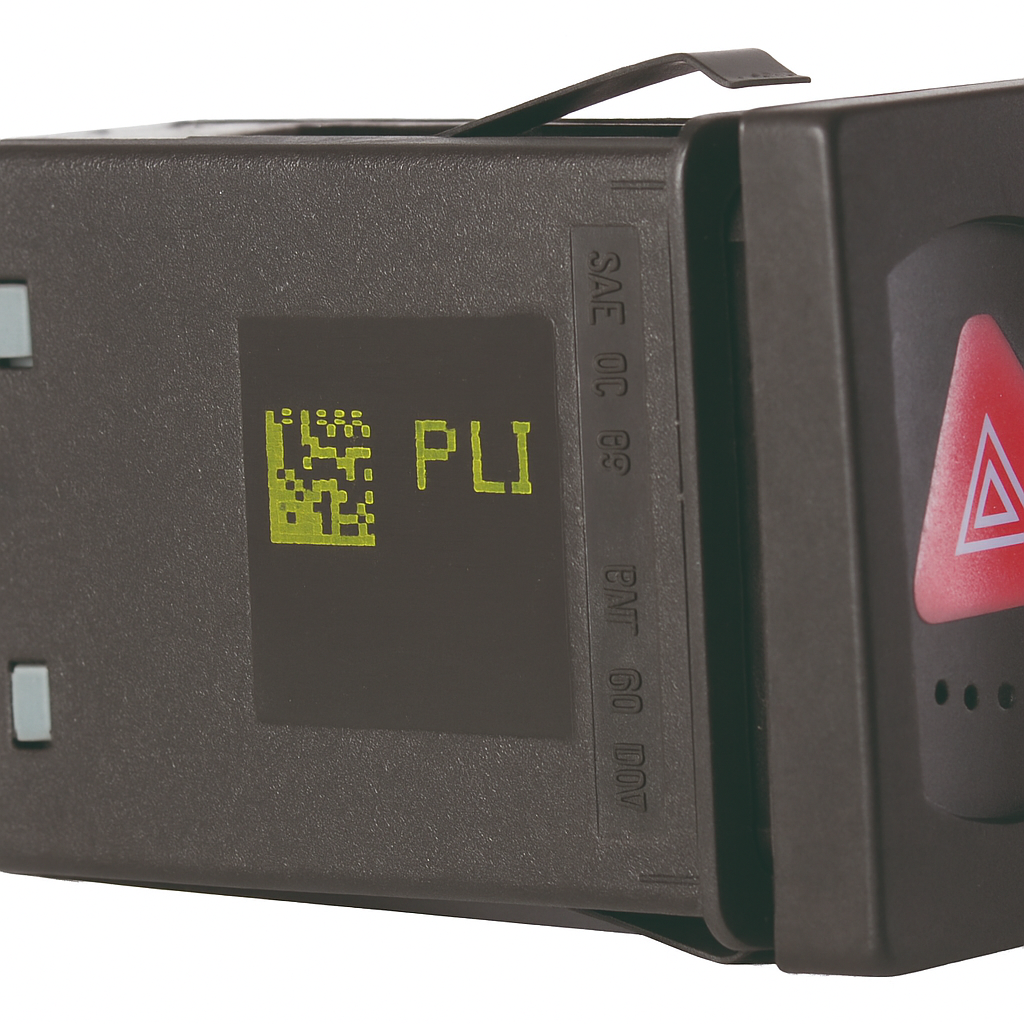
Squid Ink TIJ systems excel at printing crisp expiration dates, lot numbers and high density 2D barcodes. Their straightforward cartridge based operation supports fast changeovers and frequent message updates without sacrificing print quality. For manufacturers prioritizing clarity, flexibility and ease of use, TIJ offers a clean and effective coding solution.
3. Short and Long-Term Costs
3.1 CIJ vs TIJ Cost Comparison Chart
| Cost Category | CIJ (Continuous-Inkjet) | TIJ (Thermal-Inkjet) |
|---|---|---|
| Initial hardware cost | Higher due to pumps, pressurized modules, filters and ink-delivery systems | Lower hardware cost, compact design, cartridge-based |
| Ink and solvent usage | Continuous ink flow, solvent makeup required | Cartridge-contained ink, no solvent usage |
| Maintenance requirements | PM kits, filters, fluid checks, cleaning tasks | Minimal maintenance, replace cartridges and clean printhead |
| Downtime risk | Low with proper maintenance, very low with LEIBINGER Sealtronic | Low in clean environments, higher in dusty or wet areas |
| Cost per mark | Lowest cost per mark for continuous, high-speed production | Higher cost per mark due to cartridge pricing |
| Long-term operating cost | More cost-effective for multi-shift and 24-hour production | More cost-effective for short runs or moderate throughput |
3.2 CIJ vs TIJ Cost Comparison Chart
| Parameter | CIJ | TIJ |
|---|---|---|
| New Printer Price ($) | 8,500 – 22,000 | 2,450 – 9,300 |
| Ink Capacity | 750–1000 ml + solvent | 37–60 ml cartridges |
| Prints per Ink Unit | Millions per liter | 18,000 – 30,000 |
| Ink Cost per Unit ($) | 180 – 240 per liter | 75 – 110 per cartridge |
| Cost per 1000 Prints ($) | 0.30 – 0.60 | 3.00 – 5.00 |
| Estimated Yearly Prints | 600,000 | 600,000 |
| Estimated Ink Cost (5 yrs) ($) | 900 – 1,800 | 8,500 – 12,500 |
| Maintenance (5 yrs) ($) | 1,500 – 4,000 | 0 – 200 |
| Total 5-Year Cost* ($) | 11,400 – 26,800 | 13,000 – 21,500 |
*Total 5-Year Cost does NOT include the cost of the printer.
3.3 Cost Behavior Summary
• TIJ cost starts low but rises steadily due to cartridge consumption
• CIJ cost starts higher but levels off more effectively during multi-shift environments
• High-speed beverage, extrusion and industrial lines reach CIJ breakeven quickly
• Short-run or seasonal production often remains cheaper with TIJ
4. Reliability and Uptime
4.1 CIJ Reliability
CIJ is engineered for nonstop production where uptime and consistency are critical. The continuous ink circulation system allows CIJ printers to run for extended periods without interruption, making them well suited for high speed packaging and industrial lines that cannot afford unplanned stops. This design supports stable print quality even as line conditions change.
LEIBINGER CIJ systems enhance reliability through closed nozzle technology that seals the nozzle whenever printing stops. By preventing air from entering the system, this design eliminates ink drying and clogging during shutdowns, enabling clean startups without manual cleaning or purging. The result is reduced maintenance, faster restarts and predictable day to day operation.
Squid Ink CIJ printers are built to withstand demanding production environments. Their rugged construction allows them to perform reliably under vibration, temperature fluctuations and exposure to dust or moisture. Combined with solvent based inks formulated for tough substrates, Squid Ink CIJ delivers dependable performance in harsh conditions where durability matters most.
4.2 TIJ Reliability
TIJ is highly reliable in clean, controlled production environments where conditions remain stable. Because each ink cartridge contains a new print engine, performance is consistent and predictable, with no gradual wear of internal components over time. When a cartridge is replaced, the system effectively resets to like new print quality, which simplifies maintenance and minimizes troubleshooting.
However, TIJ performance is more sensitive to environmental factors. Dust and airborne contaminants can interfere with the microscopic nozzles, while moisture and condensation can impact ink performance and print consistency. TIJ also requires short throw distances to maintain accuracy, making it less suitable for applications where product position varies or where the printhead cannot be mounted close to the substrate.
For these reasons, TIJ is best applied in clean, dry environments with controlled spacing and predictable product flow. When those conditions are met, it delivers excellent reliability and outstanding print quality.
5. Ease-of-Use
5.1 CIJ User Experience
CIJ systems require routine attention to ensure long term reliability and consistent print quality. This typically includes monitoring fluid levels, performing scheduled filter changes and following proper shutdown procedures to maintain ink stability and system cleanliness. When maintained correctly, CIJ delivers dependable performance even in continuous duty applications.
LEIBINGER CIJ significantly reduces hands on maintenance through automated nozzle sealing. By preventing ink from drying at the nozzle during idle periods, this design minimizes manual cleaning and eliminates many of the daily maintenance tasks common to traditional CIJ systems. Operators benefit from faster startups and more predictable operation with less intervention.
Squid Ink CIJ systems emphasize ease of use through intuitive operator interfaces and built in diagnostics. These features simplify setup, monitoring and troubleshooting, allowing operators to quickly identify issues and keep production moving. Together, these design approaches help reduce downtime and maintenance effort while preserving the durability CIJ is known for.
5.2 TIJ User Experience
TIJ is designed as a true plug and print solution that minimizes setup time and operator involvement. Once the system is installed, operators simply insert a cartridge, load or select the message and begin printing. There are no ink lines to prime, no pressure systems to stabilize and no startup routines that delay production.
Because TIJ cartridges are self contained, there are no pumps, ink reservoirs or flushing procedures required. When print quality declines, the cartridge is replaced and printing resumes immediately. This approach eliminates many of the maintenance tasks associated with traditional ink systems and reduces the need for specialized technical training.
With very few moving parts and a straightforward operating workflow, TIJ requires minimal ongoing maintenance. This simplicity makes it an excellent choice for operations with frequent changeovers, short runs or limited maintenance resources where ease of use and uptime are priorities.
6. Best Fit for Products and Businesses
6.1 When CIJ Is the Best Fit
Recommended for
• High-speed continuous lines
• Wet, dusty or harsh environments
• Non-porous substrates like PET, glass, metal and film
• Curved or fast-moving products
• High-adhesion or chemical-resistant ink needs
• Multi-shift or continuous operations
Typical CIJ-coded products
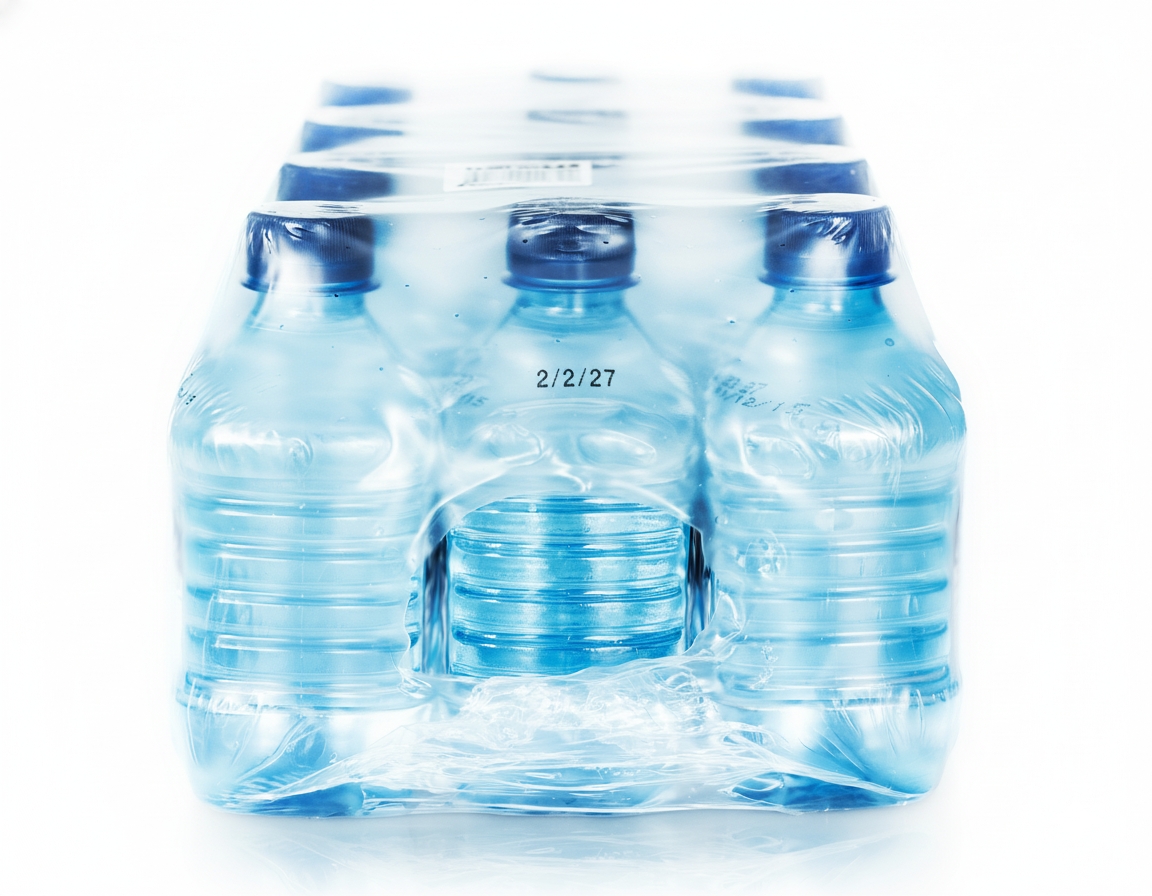
• PET water bottles
• Wine bottles
• Aluminum cans
• Shrink sleeves
• PVC pipe and conduit
• Extruded profiles
• Wire and cable
• Glossy cosmetics
• HDPE cleaning products
6.2 When TIJ Is the Best Fit
Recommended for
• High-resolution barcodes and graphics
• Frequent changeovers and seasonal SKUs
• Cartons, labels and sleeves
• Clean packaging environments
• Low-maintenance operations
• Small or mid-size manufacturers
Typical TIJ-coded products
• Cosmetic cartons
• Pharmaceutical packaging
• Nutraceutical containers
• Coffee bags
• Snack cartons
• Craft beverage cartons
• Pouches with coated labels
• Contract-packaged goods
7. Practical Applications
7.1 CIJ in Beverage and Bottling
7.2 CIJ in Industrial Manufacturing
7.3 TIJ for Cartons and Paperboard
7.4 TIJ for High-Resolution Coding/Marking
Conclusion
Choosing between CIJ and TIJ requires a clear understanding of how your production line actually runs day to day. Line speed, substrate variety, environmental conditions and long term operating behavior all play a major role in determining which technology delivers the best return. CIJ excels in demanding industrial environments where uptime is critical. It offers exceptional adhesion on challenging substrates like plastics, glass and metals, resists moisture and dust and is designed for nonstop operation on high speed lines with minimal intervention.
TIJ serves a different but equally important role. It delivers extremely sharp print quality, fast changeovers and simple cartridge based operation. TIJ is well suited for clean production areas, short runs, frequent message changes and applications where startup cost needs to stay low while maintaining professional looking codes. For many manufacturers, TIJ is ideal for secondary packaging, case coding or controlled environments where simplicity and clarity are the top priorities.
Pacific Labeling works with customers to evaluate these factors before a system is ever specified. Through real world testing, application validation and thoughtful integration, PLI helps manufacturers avoid overbuying or under engineering their coding solution. By offering Squid Ink, LEIBINGER and Norwix systems, PLI remains technology neutral and focused on outcomes rather than forcing a one size fits all approach.
The result is a coding and marking solution aligned with production volume, substrate mix and long term growth plans. Customers gain reliable performance, regulatory confidence and a system that scales with their operation instead of limiting it.
References
• LEIBINGER Coding Systems – https://www.leibinger-group.com
• Squid Ink Coding and Marking – https://www.squidink.com
• Norwix TIJ Print Engines – https://norwix.com
• HP Thermal-Inkjet Technology – https://developers.hp.com/hp-linux-imaging-and-printing
• Packaging Europe Research – https://packagingeurope.com
• Pacific Labeling Field Data – https://pacificlabeling.com