The Growing Compatibility Problem Facing Modern Manufacturing
Introduction
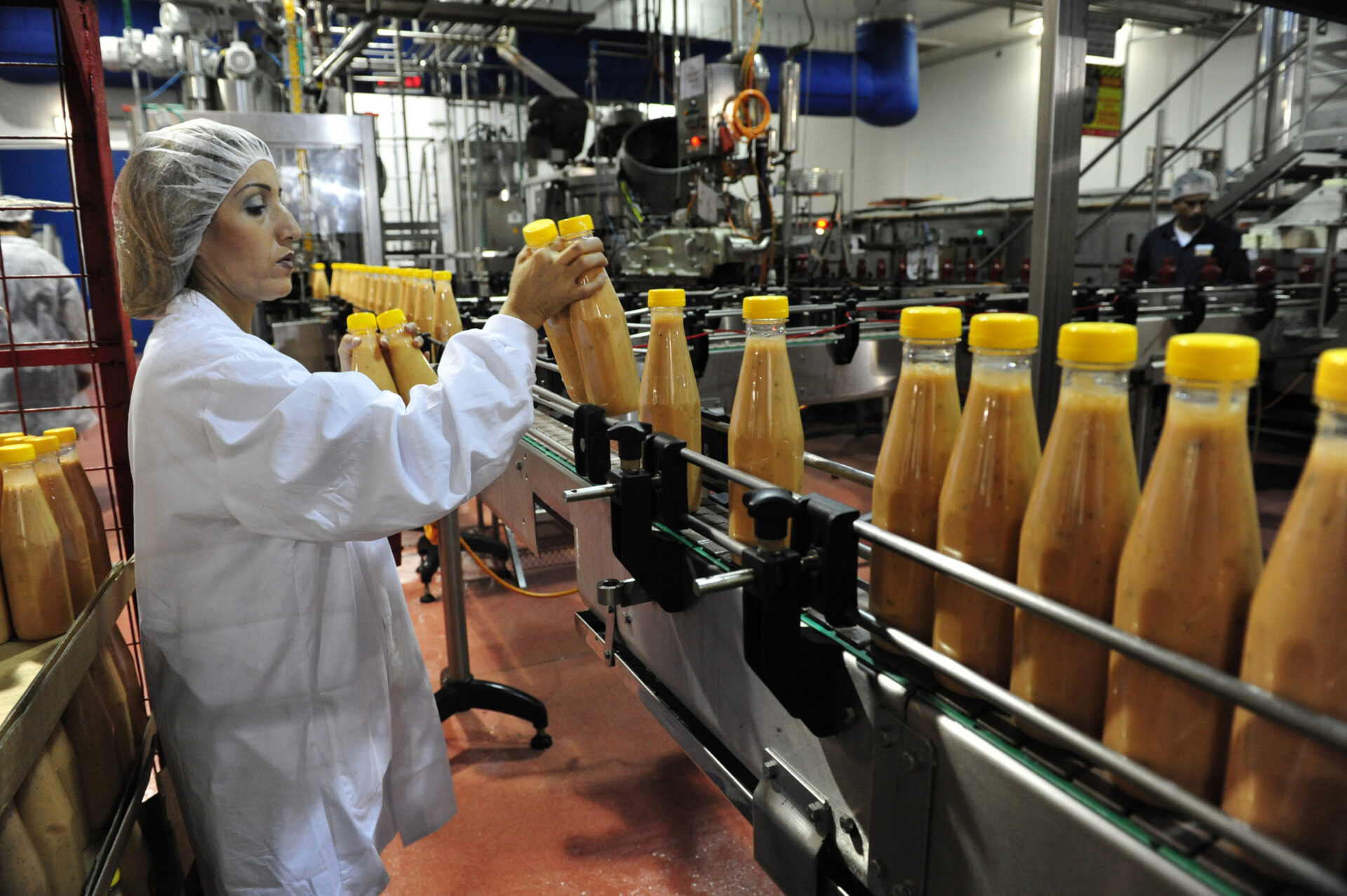
Packaging materials are changing faster than many production lines can adapt. Manufacturers are moving toward lighter films, recyclable plastics, coated cartons, flexible pouches, shrink sleeves and environmentally driven packaging materials that were rarely seen on production lines just a few years ago. While these materials may improve sustainability, appearance or shipping efficiency, they also create a growing problem for coding and marking systems.
Many manufacturers discover this problem only after production begins. A code may appear sharp and readable immediately after printing, but later become smeared, faded, scratched or completely unreadable during shipping, refrigeration, shrink wrapping or warehouse handling. In many cases, the printer itself is not the issue. The real challenge is the interaction between the substrate, the environment and the ink chemistry.
For companies running Continuous Inkjet systems, especially in food, beverage, cosmetics, pharmaceutical and industrial packaging operations, proper CIJ ink selection has become increasingly important. Modern production lines require much more than simple date coding. Manufacturers now demand long term adhesion, consistent readability, regulatory compliance, minimal downtime and compatibility across constantly evolving packaging materials.
LEIBINGER CIJ systems and OEM ink formulations are designed specifically for these demanding industrial environments, helping manufacturers maintain reliable coding performance even as packaging technology continues to evolve.
The Packaging Industry Has Changed Dramatically
Packaging engineers are under pressure from every direction. Retailers want more attractive packaging. Sustainability initiatives push manufacturers toward recyclable or lightweight materials. Logistics departments want lighter packages that reduce shipping costs. Marketing teams demand glossy surfaces and decorative labels that stand out on shelves.
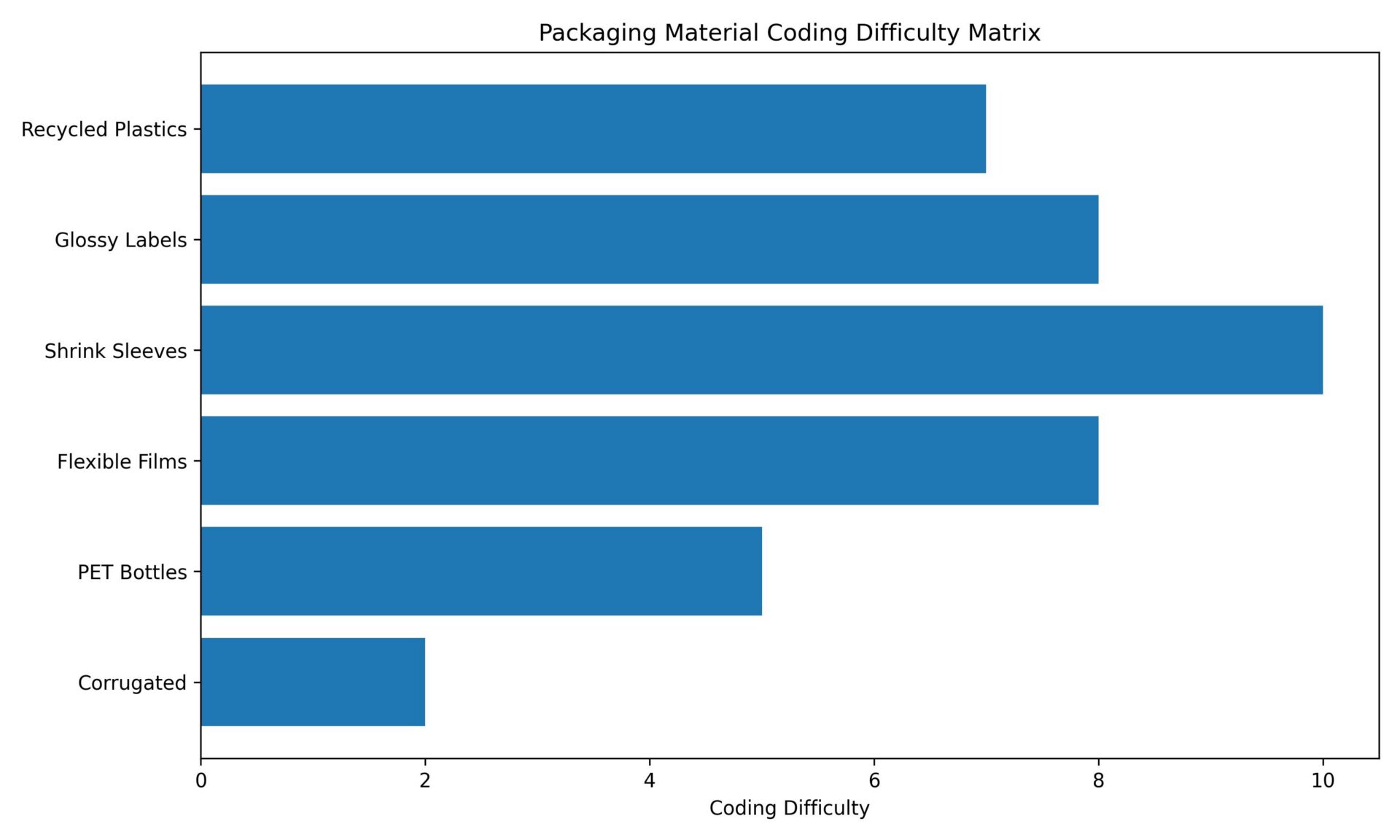
The result is a much wider variety of difficult coding surfaces than traditional CIJ systems encountered years ago. Production facilities now regularly print on PET bottles, glossy flexible films, coated cartons, metallized pouches, shrink sleeves, laminated materials, synthetic labels, recycled plastics and textured industrial packaging.
Each surface reacts differently to CIJ ink. Some absorb ink rapidly while others repel it completely. Some surfaces create static interference while others introduce moisture, condensation or heat exposure that can weaken adhesion after printing. Even slight differences in coatings or additives can dramatically change print performance.
Why Perfect Looking Codes Still Fail Later
One of the biggest misconceptions in industrial coding is that a code is successful simply because it looks good at the printhead. In reality, many code failures occur long after the product leaves the printer.
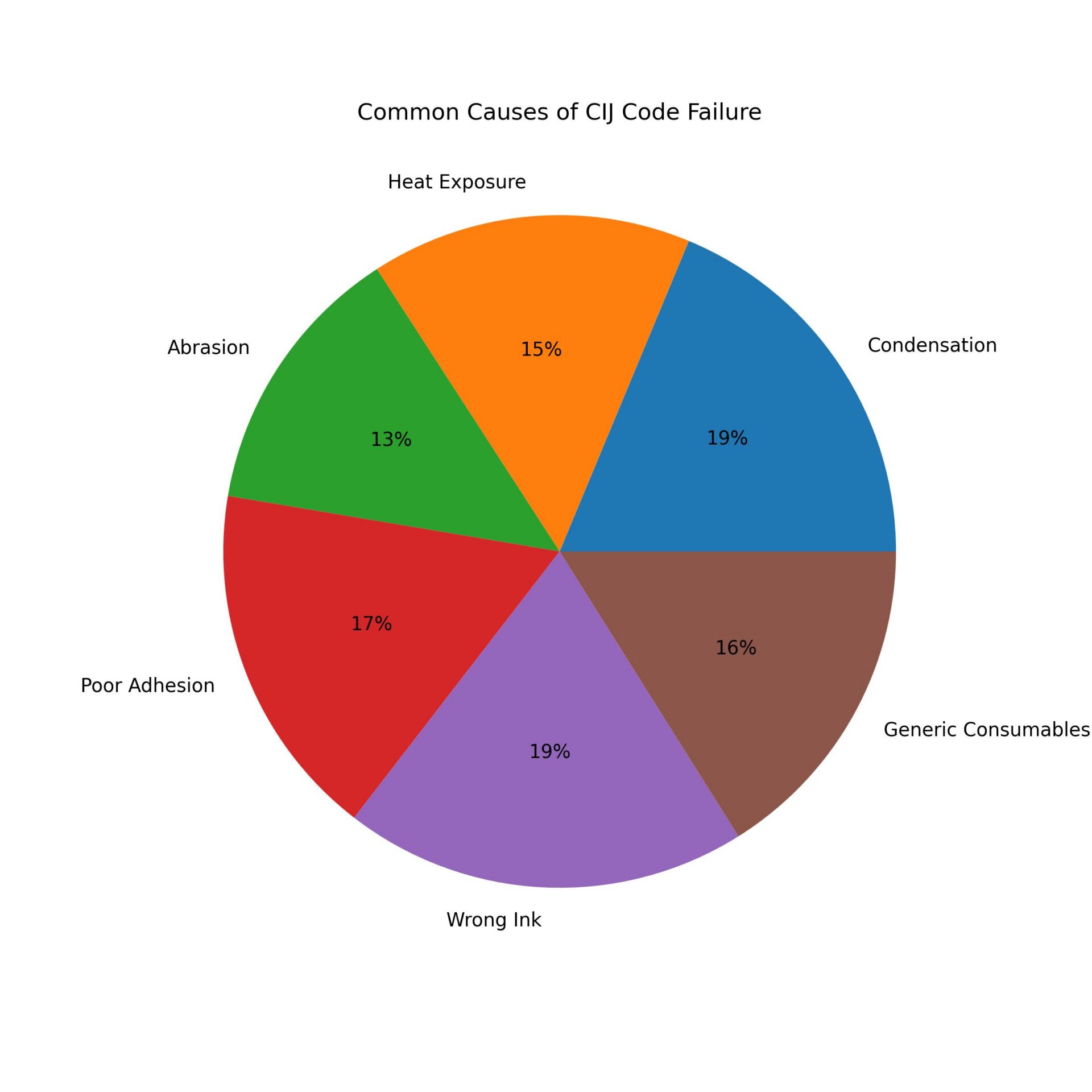
A beverage bottle may enter refrigeration minutes after coding, causing condensation that weakens adhesion. Flexible packaging may stretch during filling operations, distorting the code. Shrink sleeve applications may expose the code to intense heat tunnel temperatures that soften improperly matched inks. Corrugated packaging may experience abrasion during palletizing and transportation. Chemical cleaners, oils and warehouse humidity may also affect long term readability.
These downstream environmental factors are now becoming just as important as initial print quality itself. Manufacturers increasingly need inks engineered not only for printing performance, but also for long term survival throughout the entire supply chain.
Different Packaging Materials Create Different Risks
Corrugated packaging remains one of the easier CIJ applications because porous surfaces allow rapid absorption. Flexible films and glossy plastics are far more difficult because they provide little surface absorption and often require specialized adhesion properties. Shrink sleeves create additional complexity because heat exposure may distort the code after printing. Glass containers introduce condensation challenges while coated cartons may contain chemical finishes that interfere with ink bonding.
Some manufacturers unknowingly create compatibility problems when changing packaging suppliers. Even if the package looks visually identical, slight changes in coatings, additives or surface treatments can significantly alter how the ink behaves.
This is why substrate testing has become increasingly important for modern CIJ operations. Packaging compatibility can no longer be assumed.
Why LEIBINGER Ink Stability Matters
Continuous Inkjet printing depends heavily on stable ink chemistry. Even small viscosity fluctuations or solvent inconsistencies can affect droplet formation, print clarity and adhesion performance.
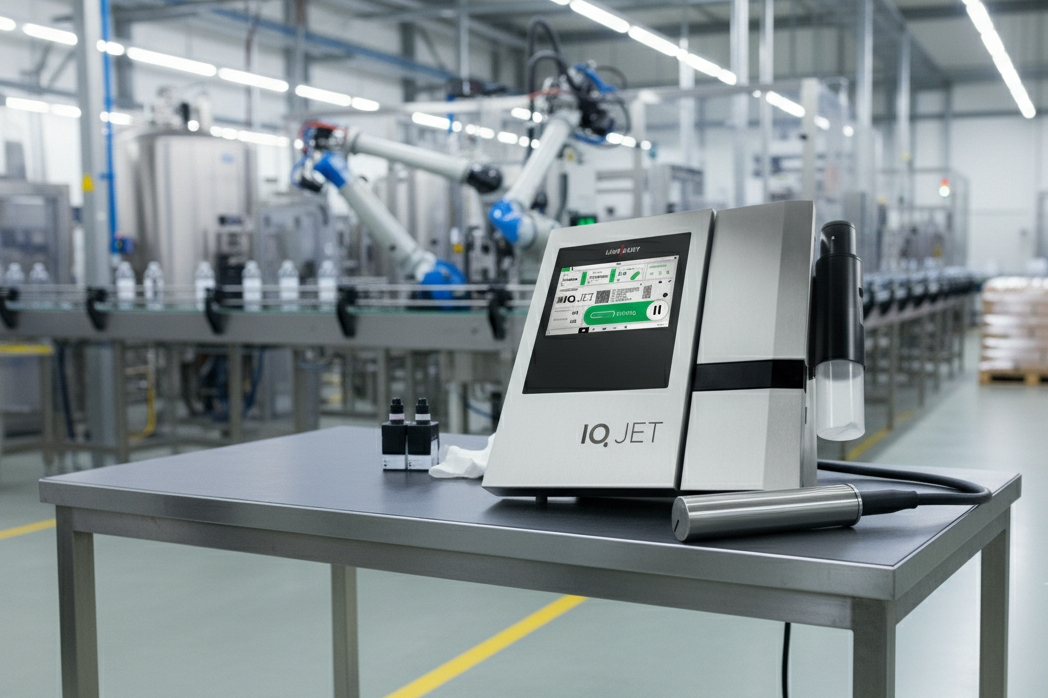
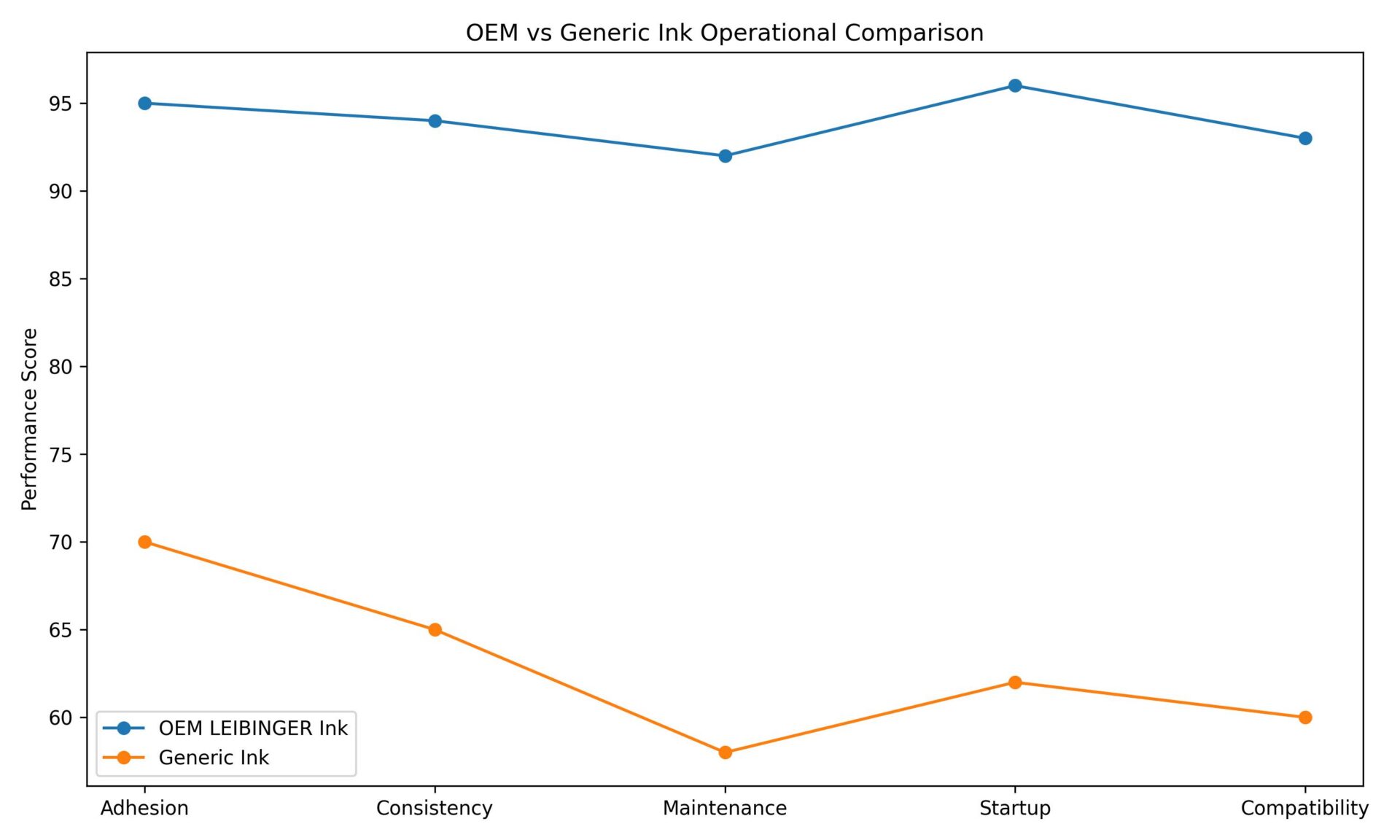
LEIBINGER inks are engineered specifically for LEIBINGER printers, helping maintain stable circulation, predictable drying characteristics and consistent droplet formation across high speed production lines. Combined with LEIBINGER’s automatic nozzle sealing technology, these systems help reduce startup problems, clogged nozzles and unnecessary maintenance interruptions.
For many manufacturers, the biggest operational advantage is not simply print quality. It is production consistency. Reliable startup behavior, stable viscosity management and repeatable print performance can significantly reduce downtime and operator intervention.
The Hidden Risk of Generic CIJ Inks
Many manufacturers attempt to reduce consumable costs by using lower priced third party inks. However, generic formulations often introduce variables that may not become obvious until production issues begin appearing.
Improper solvent balance may affect drying times, unstable pigments may reduce contrast, incorrect viscosity can disrupt droplet consistency, chemical incompatibilities may create long term wear on pumps, seals or printhead components and some inks perform acceptably on one substrate but fail completely on another.
While generic inks may initially appear less expensive, unplanned downtime, increased maintenance and rejected product can quickly outweigh any short-term savings. OEM LEIBINGER inks are specifically engineered for LEIBINGER hardware, helping reduce compatibility risks and maintain predictable production performance.
GS1 2D Codes Are Raising the Stakes
The transition toward GS1 2D barcode requirements is increasing pressure on print quality and code consistency across manufacturing industries. Unlike traditional lot codes or expiration dates, 2D barcodes require high contrast, precision and readability under varying lighting and scanning conditions.
Even small inconsistencies in adhesion, substrate reflection or print clarity can reduce scanner reliability. As manufacturers move toward increased traceability and future digital product passport requirements, code durability and precision become even more critical.
How Pacific Labeling & Integration Helps Manufacturers Avoid Compatibility Problems
Pacific Labeling & Integration works with manufacturers throughout the western United States to evaluate not only printer performance, but also substrate compatibility, environmental exposure and downstream packaging conditions.
Rather than focusing solely on printer speed or initial print appearance, PLI evaluates the complete production environment, including packaging materials, shrink tunnel exposure, refrigeration, abrasion risks, throughput requirements and long term code durability expectations.
This application focused approach helps manufacturers reduce trial and error while improving production reliability.
Conclusion
The modern packaging industry is changing rapidly, and coding technology must evolve alongside it. As manufacturers adopt new packaging materials and face increasing traceability requirements, CIJ printing is no longer simply about applying a visible code. It is about ensuring that the code survives refrigeration, transportation, shrink wrapping, warehouse handling and the entire lifecycle of the product.
LEIBINGER CIJ printers combined with properly matched OEM inks and solvents help manufacturers improve code durability, reduce maintenance issues and maintain production consistency across increasingly complex packaging environments.
For manufacturers focused on uptime, compliance and long term reliability, substrate compatibility and ink chemistry are becoming just as important as printer speed itself.
Q&A
Why do some CIJ codes look perfect initially but fail later?
Many failures occur after printing due to condensation, abrasion, heat exposure, shrink tunnels, transportation or chemical interaction with the packaging material.
Why are modern packaging materials harder to print on?
Many newer materials use coatings, recycled content, laminations or glossy finishes that reduce ink adhesion and create additional compatibility challenges.
Can changing packaging suppliers affect print quality?
Yes. Even visually similar materials may contain different coatings or additives that significantly change how CIJ ink behaves.
Why are OEM LEIBINGER inks important?
OEM inks are engineered specifically for LEIBINGER printers and are designed to maintain stable viscosity, droplet formation, adhesion and long term system reliability.
Are 2D barcodes more difficult for CIJ systems?
Yes. GS1 2D codes require higher contrast, precision and consistency than traditional text codes, making substrate compatibility increasingly important.
Sources
LEIBINGER Continuous Inkjet Printers
https://leibinger-group.com/continuous-inkjet-printer
Pacific Labeling LEIBINGER Inks and Solvents
https://pacificlabeling.com/leibinger-inks-solvents/
Industrial Inks and Solvents Guide
https://pacificlabeling.com/industrial-inks-solvents-understanding-the-product-range-from-leibinger-squid-ink-and-norwix/
LEIBINGER Industrial Ink Research
https://leibinger-group.com/blog/revealed-the-secret-world-of-industrial-ink
GS1 2D Barcode Standards
https://www.gs1.org/standards/barcodes/2d-barcodes
LEIBINGER Traceability and 2D Coding
https://leibinger-group.com/blog/leibinger-interpack-2026