A LEIBINGER CIJ Perspective on Adhesion, Surface Energy and Real World Performance
Introduction

At first glance, a clean surface should be the easiest to print on.
No dust. No oil. No visible contamination.
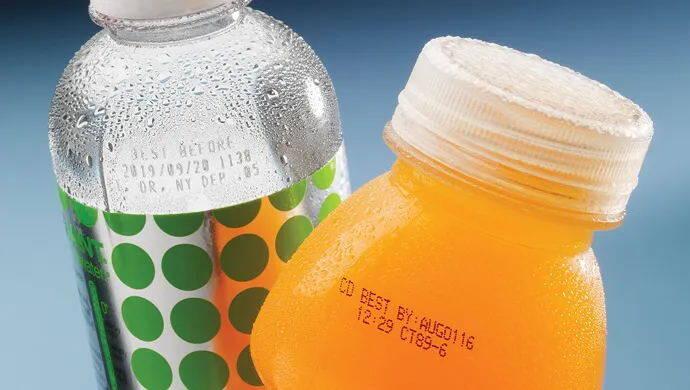
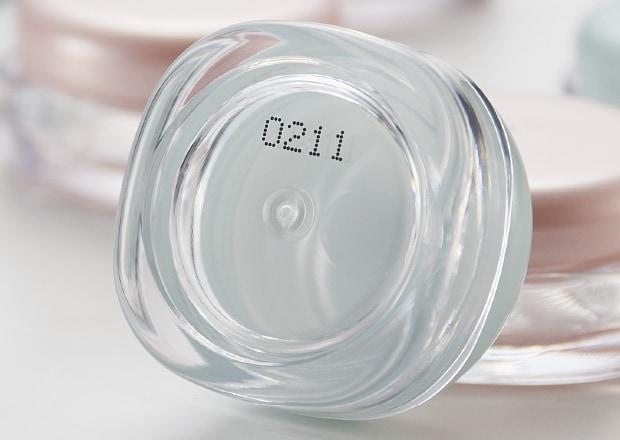
Yet in real production environments, some of the most frustrating CIJ ink failures occur on surfaces that appear perfectly clean. Operators see sharp, well formed codes coming off a LEIBINGER CIJ printer, only to watch those same codes smear, fade or rub off minutes or hours later.
This disconnect between initial print quality and long term performance creates confusion. The printer is running correctly. The code looks good at the point of print. But something is still going wrong.
The reality is that “clean” does not always mean “printable.” Many modern packaging materials are engineered to resist interaction with liquids, and that includes ink. Understanding why this happens is key to solving adhesion issues before they impact production.
The Hidden Problem with “Clean”

Modern substrates are designed for durability, not printability.
Materials like HDPE, PET, coated cartons and flexible films are often engineered to repel moisture, resist scuffing and maintain appearance. These properties are achieved through low surface energy, which reduces how easily liquids spread across the surface.
For CIJ ink, this creates a challenge. Instead of wetting out and forming a uniform bond, the ink can bead up or sit on the surface. Even if the code looks sharp initially, the bond may be weak.
This is why two surfaces that look identical can behave very differently. A slight change in coating, supplier or treatment can dramatically impact how ink interacts at a microscopic level.
Why LEIBINGER Prints Can Still Fail Later

LEIBINGER CIJ printers are engineered for precision. Consistent droplet formation and accurate placement produce clean, readable codes at high speeds.
But print quality at the nozzle does not guarantee durability on the substrate.
If the ink cannot properly bond to the surface, it remains vulnerable. During handling, even light friction can break that bond. Over time, environmental exposure can further degrade the code.
This is why many failures do not show up immediately. The code passes initial inspection, but fails during packaging, transport or end use.
What Actually Improves Adhesion
Improving adhesion is not about forcing the printer to compensate. It requires aligning ink properties with the substrate and environment.
Key factors include:
- Surface energy compatibility
- Ink solvent system and dry time
- Line speed and product movement
- Post print handling conditions
A properly matched ink will wet the surface, anchor effectively and resist smearing even under pressure and movement.
Small adjustments in formulation or selection can dramatically improve long term performance.
The Real World Approach
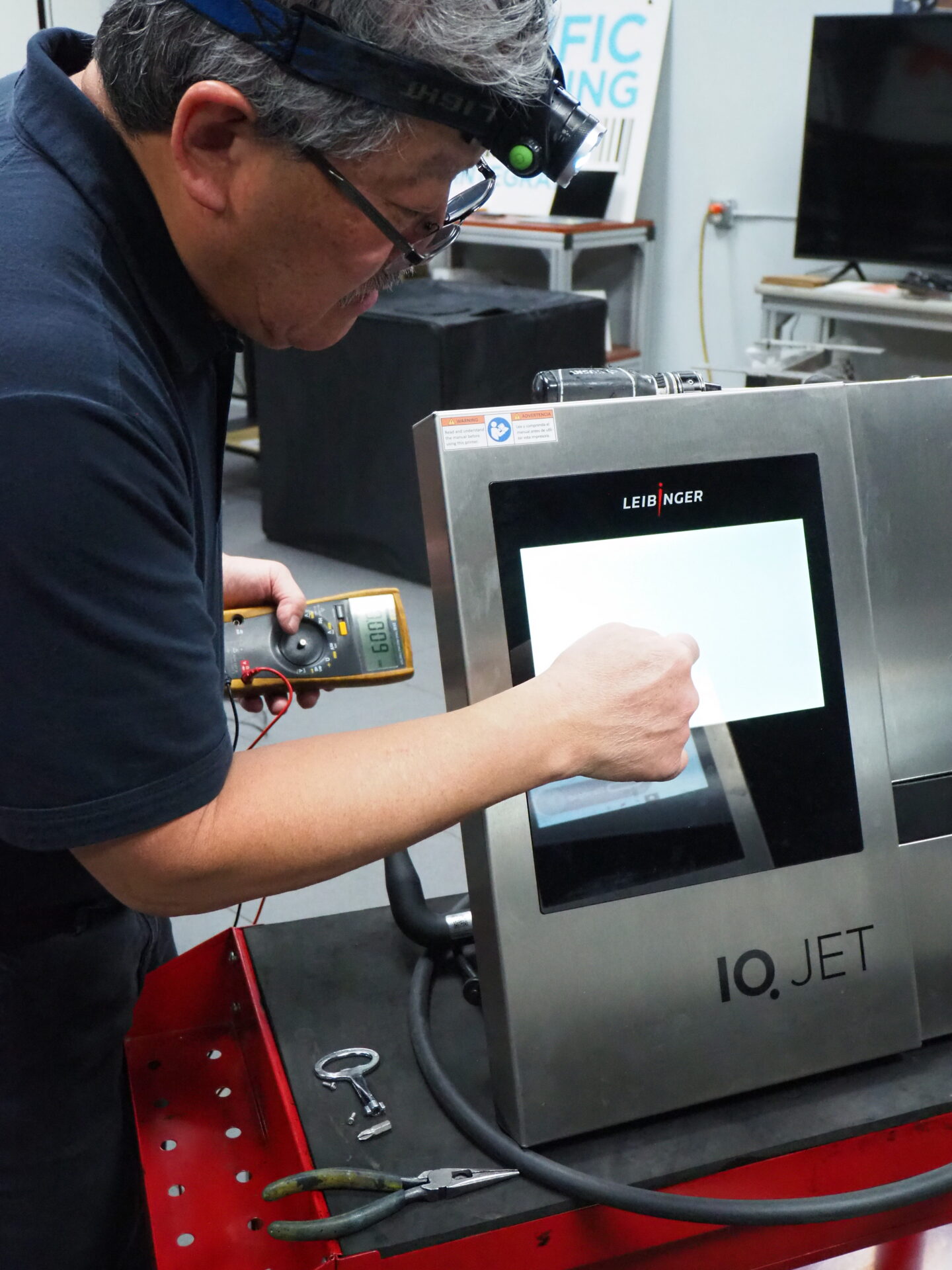
At Pacific Labeling & Integration, CIJ performance is evaluated beyond the moment of print.
Real world testing focuses on what happens after:
- conveying and movement
- packaging and stacking
- shipping and environmental exposure
This approach reveals issues that do not show up during initial setup or short test runs.
By testing ink performance across the full lifecycle of the product, we ensure codes remain readable, durable and compliant long after they leave the printer.
Conclusion

Clean surfaces are not always easy surfaces.
Many of the most challenging CIJ applications involve materials specifically engineered to resist interaction with liquids. This creates a gap between how a code looks when it is printed and how it performs over time.
LEIBINGER CIJ printers deliver exceptional print quality and reliability. But long term success depends on how well the ink is matched to the substrate and the conditions it will face.
A successful code is not defined at the printhead.
It is defined by how well it survives everything that comes after.
Q&A
Q: Why does ink bead up on plastic surfaces?
A: Low surface energy prevents the ink from spreading, reducing adhesion.
Q: Why does my code look perfect at first but fail later?
A: Adhesion issues often appear after handling, not immediately after printing.
Q: Can printer adjustments fix adhesion problems?
A: Usually not. Ink formulation and substrate compatibility are the primary factors.
Q: Why do codes fail after shipping?
A: Vibration, temperature changes and humidity expose weak adhesion.
How can PLI help?
Need help dialing in your LEIBINGER CIJ ink performance?
Pacific Labeling & Integration
(833) 424-9227
pacificlabeling.com
Sources
LEIBINGER Group
https://www.leibinger-group.com
Videojet Technologies
https://www.videojet.com
Domino Printing Sciences
https://www.domino-printing.com
Packaging World
https://www.packworld.com